
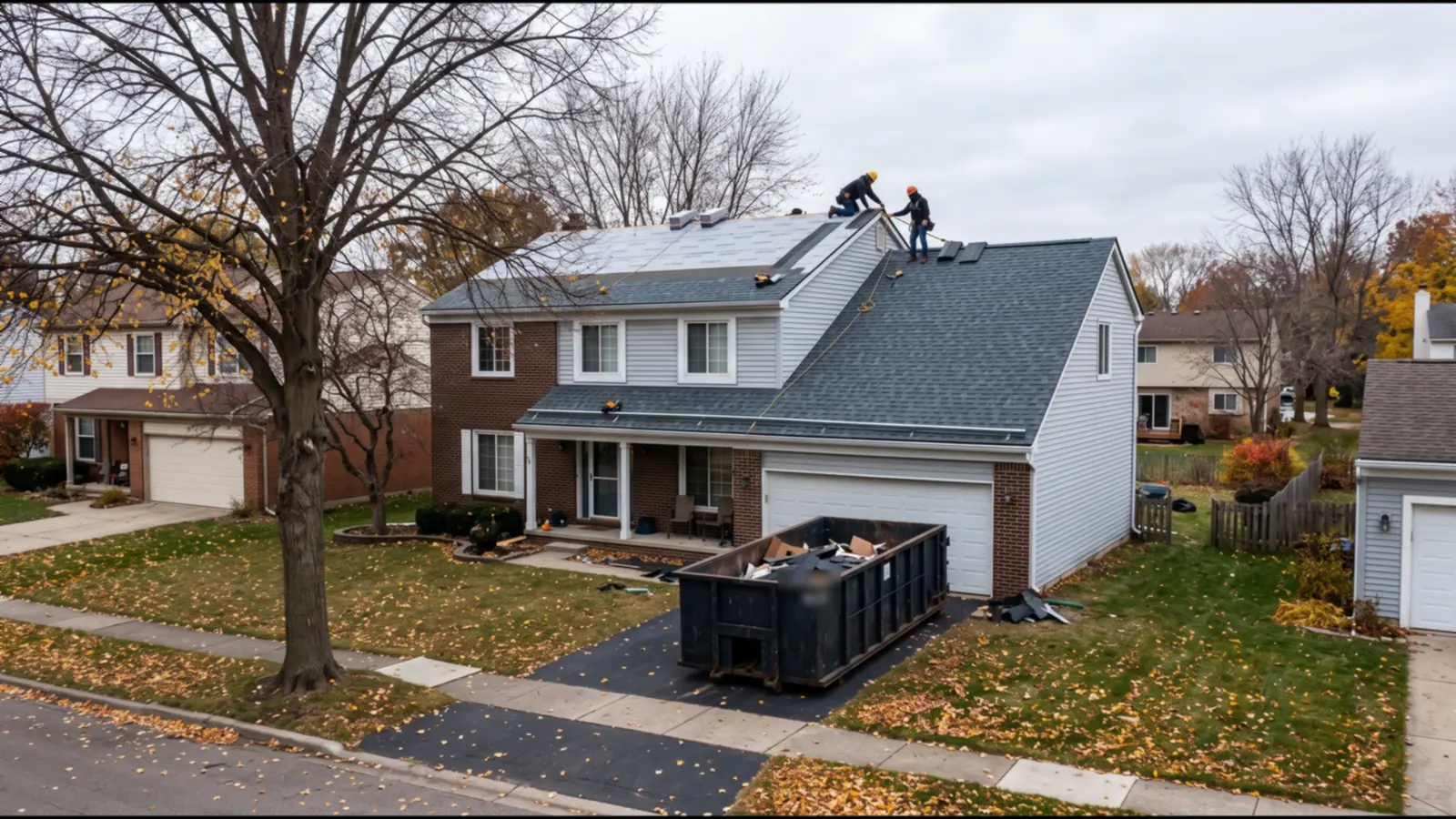
Shingle Roofing Choices on Sterling Heights Roofs
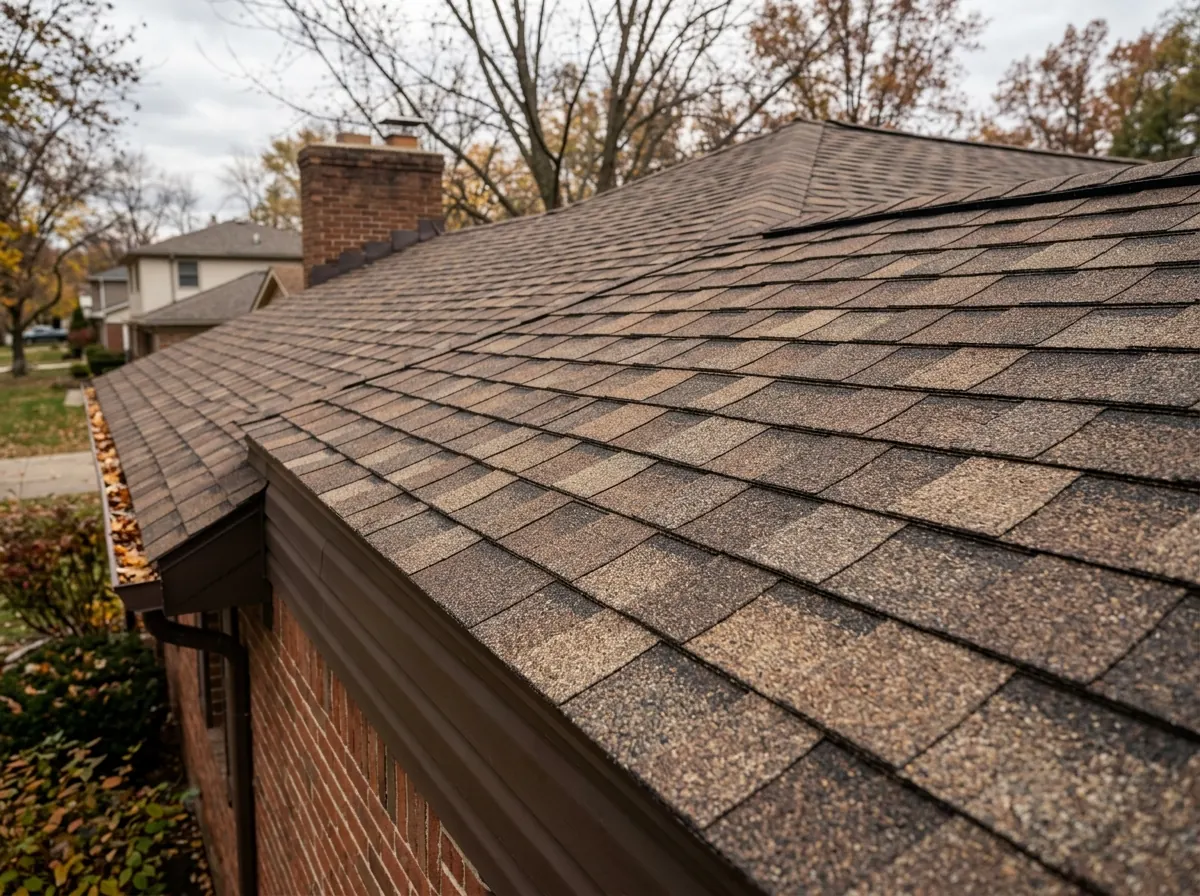
Laminated Architectural Shingles
Architectural (laminated or dimensional) shingles bond a cut-out top layer onto a full-width base, which gives the roof its shadowed, slightly random look. HomeGuide's installed price is $4 to $6 a square foot, with a life of 20 to 30 years. InterNACHI's estimate is about 30. HomeGuide also says the thicker architectural shingle stands up to gusts of up to 130 mph. Because the pattern is irregular, a repair blends in later. On a roof that will need a few shingles replaced after a windstorm, that matters more than the color chart.
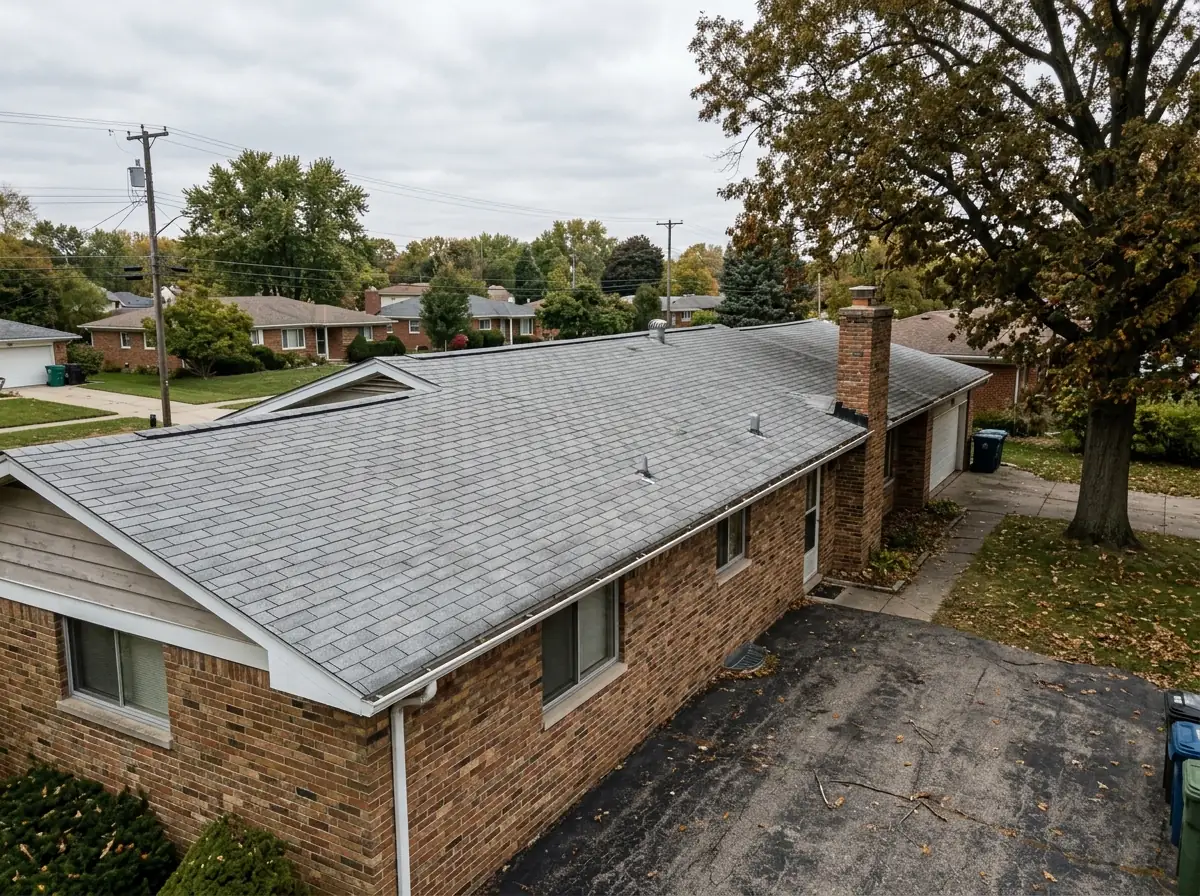
Single-Layer 3-Tab Strips
A 3-tab shingle is one flat layer cut into three tabs, which gives the roof an even, brick-like pattern. It costs less (HomeGuide lists $3 to $5 a square foot installed), and it's thinner: HomeGuide rates 3-tab for winds up to 60 mph and 15 to 20 years of life. It still makes sense on a detached garage, or on a house that will be sold soon. On the main roof of a house you plan to keep, the step up to architectural is about $1 per square foot at both ends of HomeGuide's ranges, while the tear-off and labor cost the same either way. Repairs on 3-tab also stand out, since a new strip looks darker than a faded, uniform field.
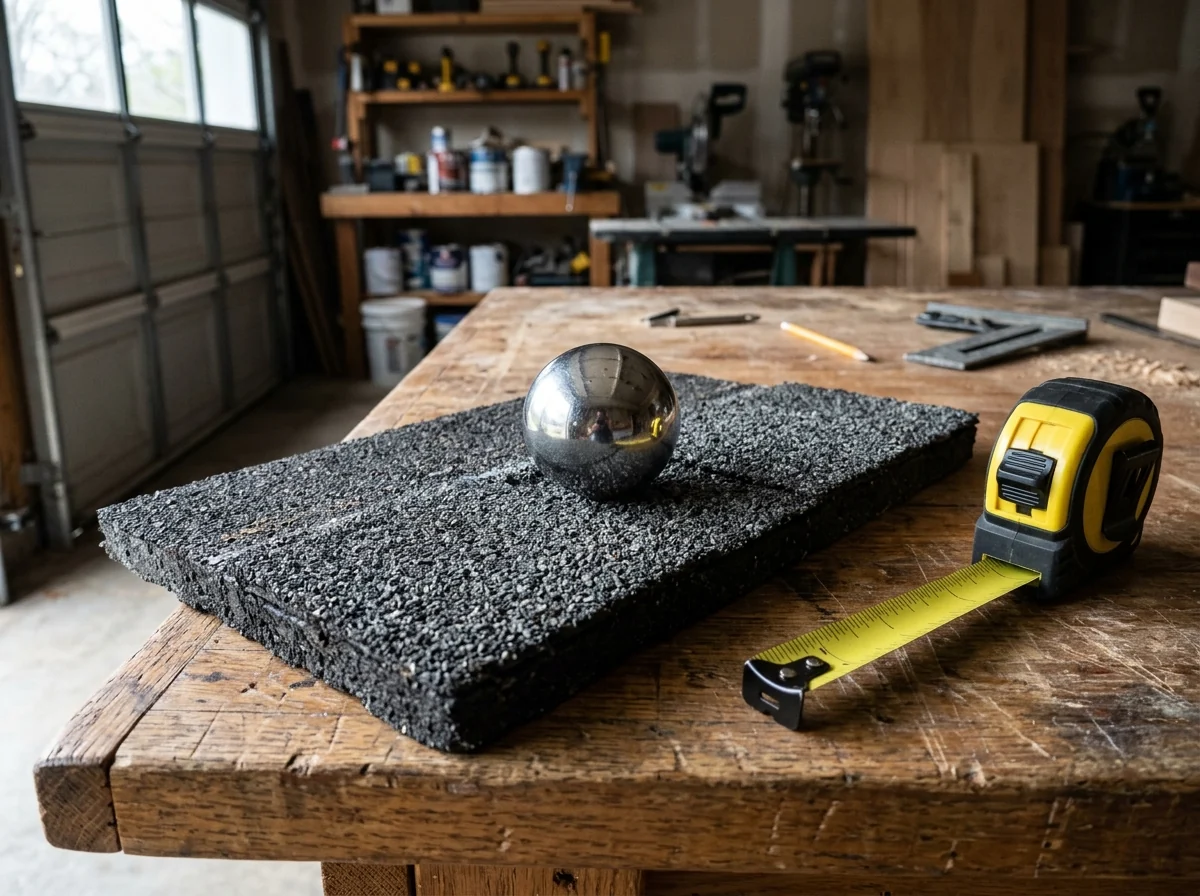
UL 2218 Class 4 Shingles
UL 2218 grades how well a roof covering survives impact, from Class 1 to Class 4, by dropping steel balls on it and checking the back for cracks. Class 4 is the top rating, earned by a shingle that shows no crack on its back after a 2-inch ball falls on it from 20 feet. For Class 3 the ball is smaller, 1.75 inches, and falls 17 feet. The test allows cosmetic dents, so a Class 4 roof can still show marks after a storm. Macomb County gets hail big enough to matter; the reports and what to check after a storm are on the hail damage roof repair page. Ask for the UL 2218 class on the product sheet, because "impact resistant" in a brochure isn't a rating.
Wind-Rated Shingles (ASTM D7158 Class H)
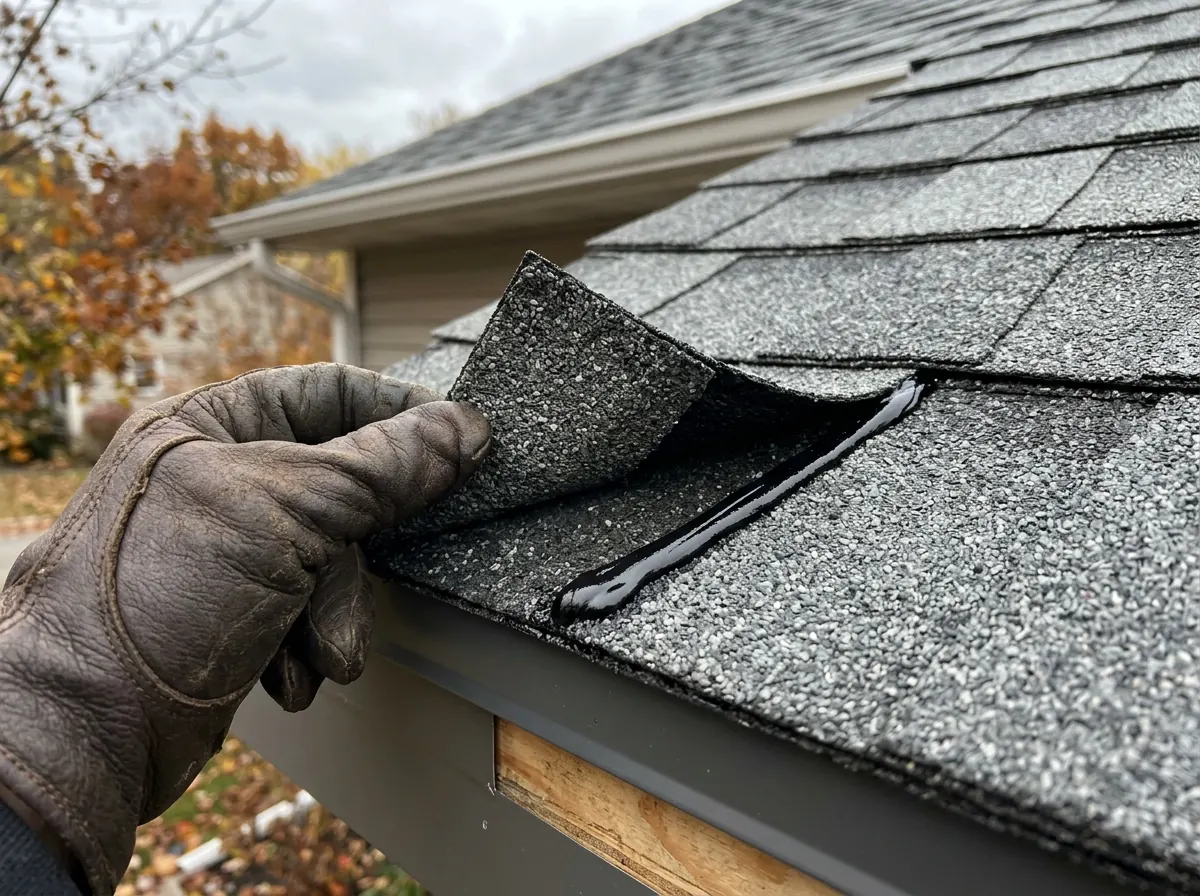
Two lab tests rate how a shingle handles wind. ASTM D3161 blows air across it with a fan, and its Classes A, D and F correspond to 60, 90 and 110 mph. ASTM D7158 measures the uplift a sealed shingle resists, and its Classes D, G and H correspond to basic wind speeds of 90, 120 and 150 mph. The residential code requires shingles to be tested to D7158 (or D3161 where D7158 doesn't apply) and labeled with their class. Up to a design wind speed of 116 mph, it accepts D7158 Class D, G or H. Class H is the top of that scale. The D7158 number assumes the shingle has actually sealed, so the starter strip and hand-sealing in cold weather matter as much as the label does.
Premium Slate- and Shake-Look Shingles
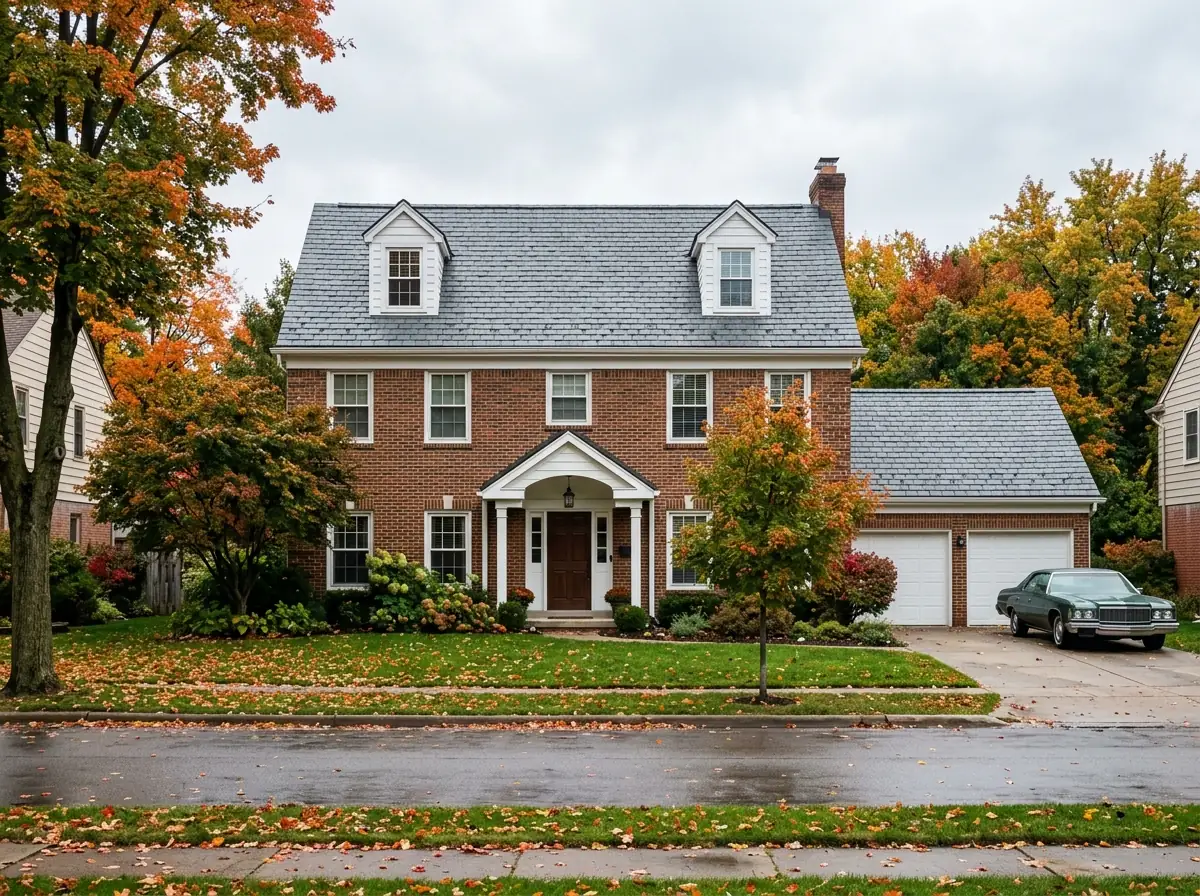
Premium (designer) asphalt shingles are thicker multi-layer laminates cut to look like slate tiles or hand-split shakes, with staggered edges and deep shadow lines. HomeGuide prices luxury and premium shingles at $500 to $700 per square installed and gives them 25 to 40 years. They earn their price on a house where the roof is a big part of the street view, such as a colonial with a steep front gable. They don't make up for a soft deck or a badly vented attic any better than a standard shingle does. For the natural materials these imitate, see slate roof repair and cedar shake roofing.
Why Sterling Heights homeowners call Sterling Heights Expert Roofing
- Free roof and attic inspection
- Itemized written estimate before any work
- Your request goes to one local roofer, not a call list
- Requests from inside Sterling Heights city limits
- Nothing to pay for the referral
Shingle Roofing Prices: What Moves the Estimate
Roofers quote by the square (100 square feet), and HomeGuide's asphalt table runs $200 to $500 a square for 3-tab and $400 to $600 for architectural installed, with the per-foot and premium figures in the sections above. The whole-job numbers, with tear-off, decking and the Michigan average, are on the roof replacement page. Within the shingle line itself, the product is the biggest lever: Class 4 and premium lines cost more per square than standard architectural shingles. Pitch comes next. On slopes from 2:12 up to 4:12, two layers of underlayment are mandatory, so a shallow section uses more underlayment per square than a steeper one. Valleys add their own line. An open metal valley costs more than a closed-cut one, though it spares the shingles from being bent in the cold, which is why the asphalt roofing manufacturers' association suggests it for winter work. A roof broken up by hips, valleys and dormers also wastes more shingles than a plain gable does. Ridge vent and soffit intake are priced on top; the roof ventilation page covers how much vent area a roof needs.
Shingle Roofing in a Macomb County Winter
Asphalt shingles can be installed in cold weather, but the cold changes how they behave. The Asphalt Roofing Manufacturers Association says cold shingles stiffen and can crack, especially where they're bent over hips and ridges or into valleys, and that bundles stored indoors before use handle better. The sealant strip on each shingle is heat-activated, and how fast it bonds depends on slope, orientation and sun. In very cold weather ARMA recommends hand-sealing with an approved adhesive, and it notes that shingles laid over an uneven surface in the cold can keep that waviness after the weather warms up.
Nailing is less forgiving in winter too. The code sets the nail (12-gauge shank, 3/8-inch head, 3/4-inch penetration into the deck), but it can't stop an overdriven nail from cutting straight through a stiff shingle. If your roof is going on in December, ask the roofer how they'll handle sealing and nail depth. Then there's the eave, where snow melts and refreezes all winter; how the ice barrier deals with that is on the ice dam removal page.
Shingle Roofing Estimate: Line Items to Ask About
A shingle estimate that names only "architectural shingles, 30 squares" leaves most of the roof out. A complete one lists:
The exact product
, with its wind class (ASTM D7158 or D3161) and any UL 2218 impact class from the wrapper or data sheet.Fire rating
Fiberglass-mat asphalt shingles are generally ASTM E108 Class A, the top fire class.Starter strip
at the eaves and rakes, a purpose-made product rather than cut-up shingles.Nailing pattern
, four nails per strip at minimum or the maker's high-wind pattern.Ice barrier and underlayment
, with the type and where each goes.Hip and ridge caps
made for the shingle line, plus the ridge vent if there is one.
When two estimates list the same items, price is a fair comparison. When one leaves half of them out, ask what's missing before you compare totals.