
Hail Damage Roof Repair, Material by Material
Asphalt Shingle Hail Marks and Mat Fractures
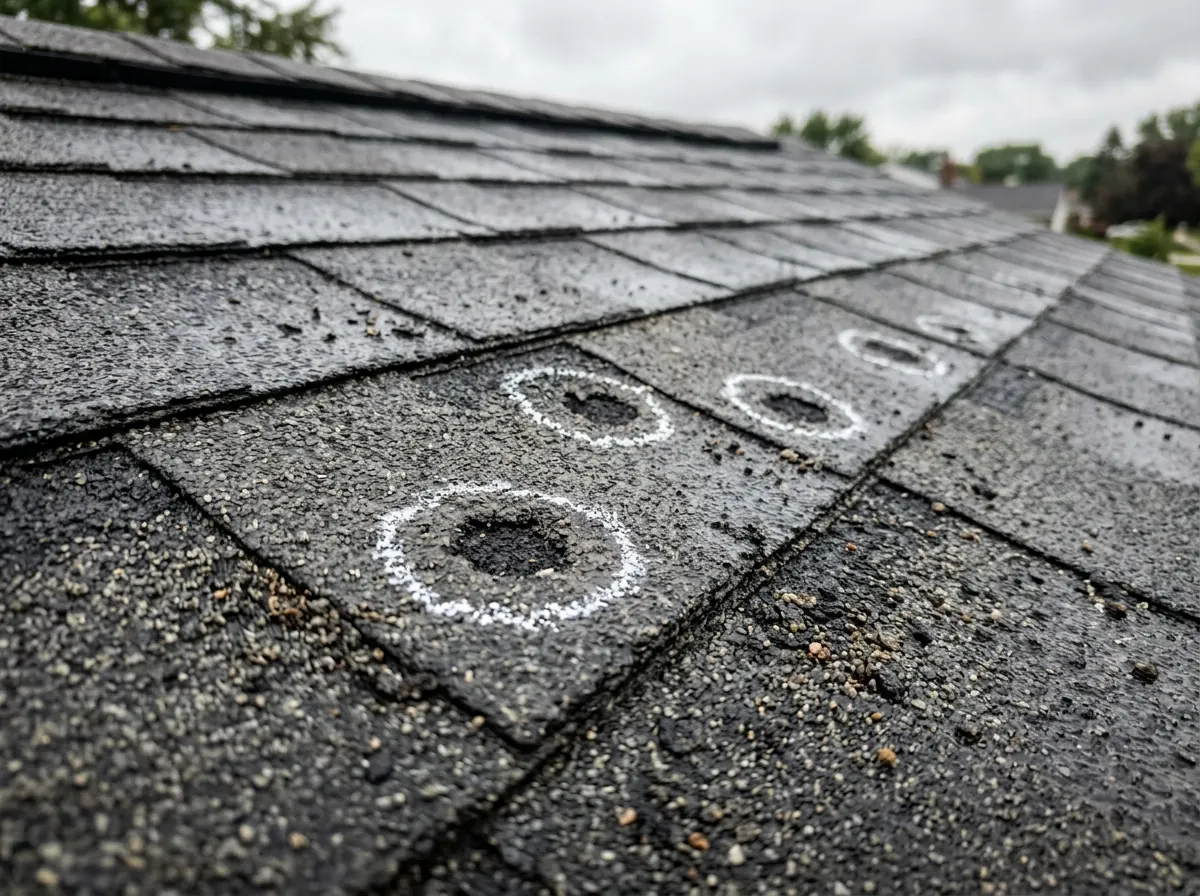
A hailstone hitting an asphalt shingle doesn't grind the granules. It knocks them off the sides of the impact and presses the rest down into the asphalt, leaving a dark, roughly round spot. InterNACHI uses that as a test: crushed, powdery granules point to a hammer or a boot, not hail. A harder hit can also crack the fiberglass mat under the asphalt, which feels soft when you press it with a thumb. That bruise is the damage that matters, because the crack lets the shingle break down and leak years before it should. Real hail lands at random across a slope, edge to notch, with overlapping hits, so inspectors usually check a marked test area on each slope, counting hits and photographing them in chalk. Granules piled at the downspout outlets after a storm are a clue worth checking from the ground.
Dents on Metal Panels: Cosmetic or Functional
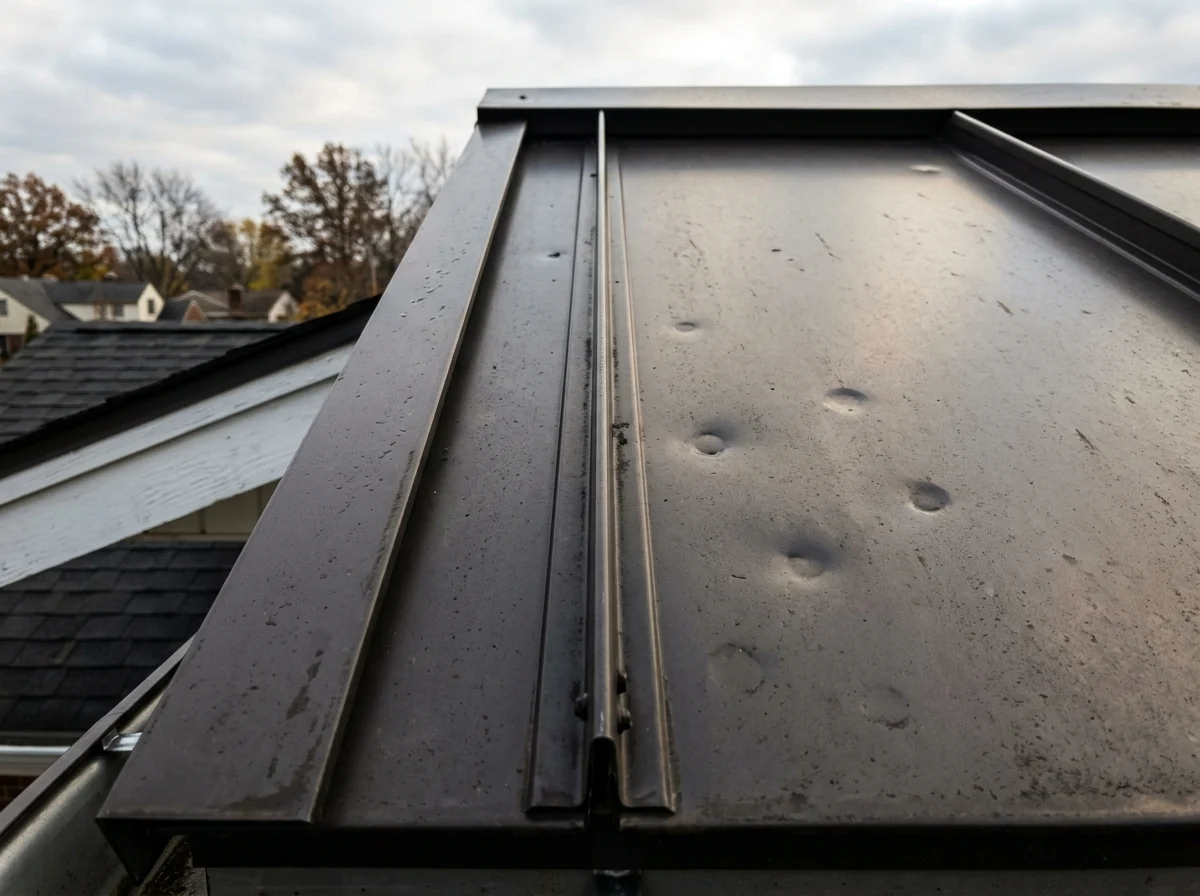
Metal roofs are where hail arguments start. Most hail leaves cosmetic dents: round dimples in the flat pans that change how the roof looks but not how it sheds water. In an EDT Engineers article on hail and metal panels, Kirchmer calls damage functional when it does one of two things. Either it breaks the factory coating that protects the steel from rust (checked under magnification for chipping, cracking or crazing), or it hurts water-shedding, most often through a dent at a sealed side seam. A dent at a seam can be water-tested before anyone decides the whole roof has to go. Whether a policy pays for purely cosmetic dents comes down to its wording, so read yours or ask your agent before the adjuster visits.
Punctured EPDM and TPO
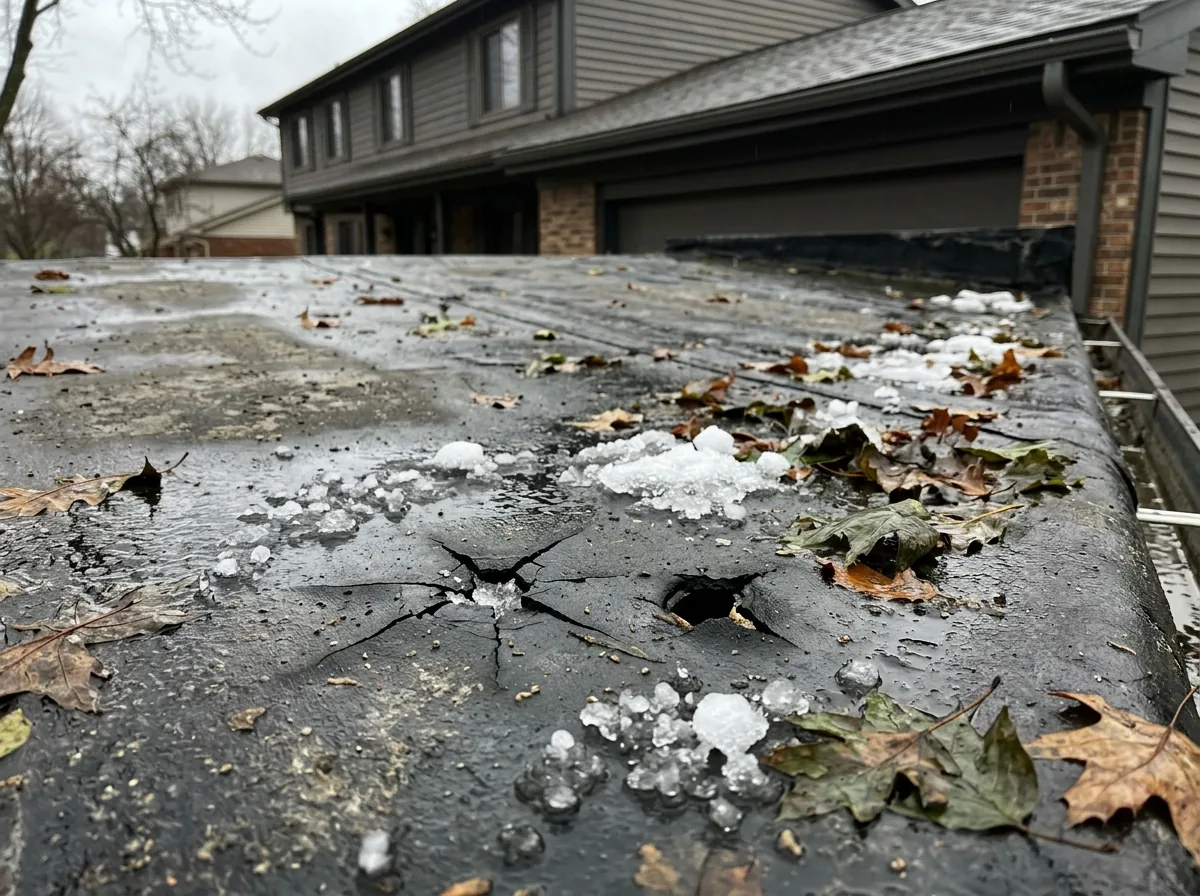
Flat roofs over attached garages, porches and additions take hail straight on, since the stones fall at nearly a right angle to the surface. How the membrane holds up depends on what's under it. InterNACHI notes that well-supported surfaces resist hail better than poorly supported ones, so a membrane over soft fiberboard or crushed foam insulation is the one to worry about. Fully adhered EPDM has a good record. In a 2016 Texas hailstorm survey, three EPDM roofs hit by 1- to 3-inch hail showed no punctures or fractures, according to the EPDM Roofing Association, an industry group. That data doesn't cover white TPO or older, brittle membranes, which need a close look at seams, flashings and any spot that feels soft underfoot. Small punctures get cleaned and patched with the same membrane. Widespread fractures mean a new roof on that section. Membrane types and costs are on the flat roofing page.
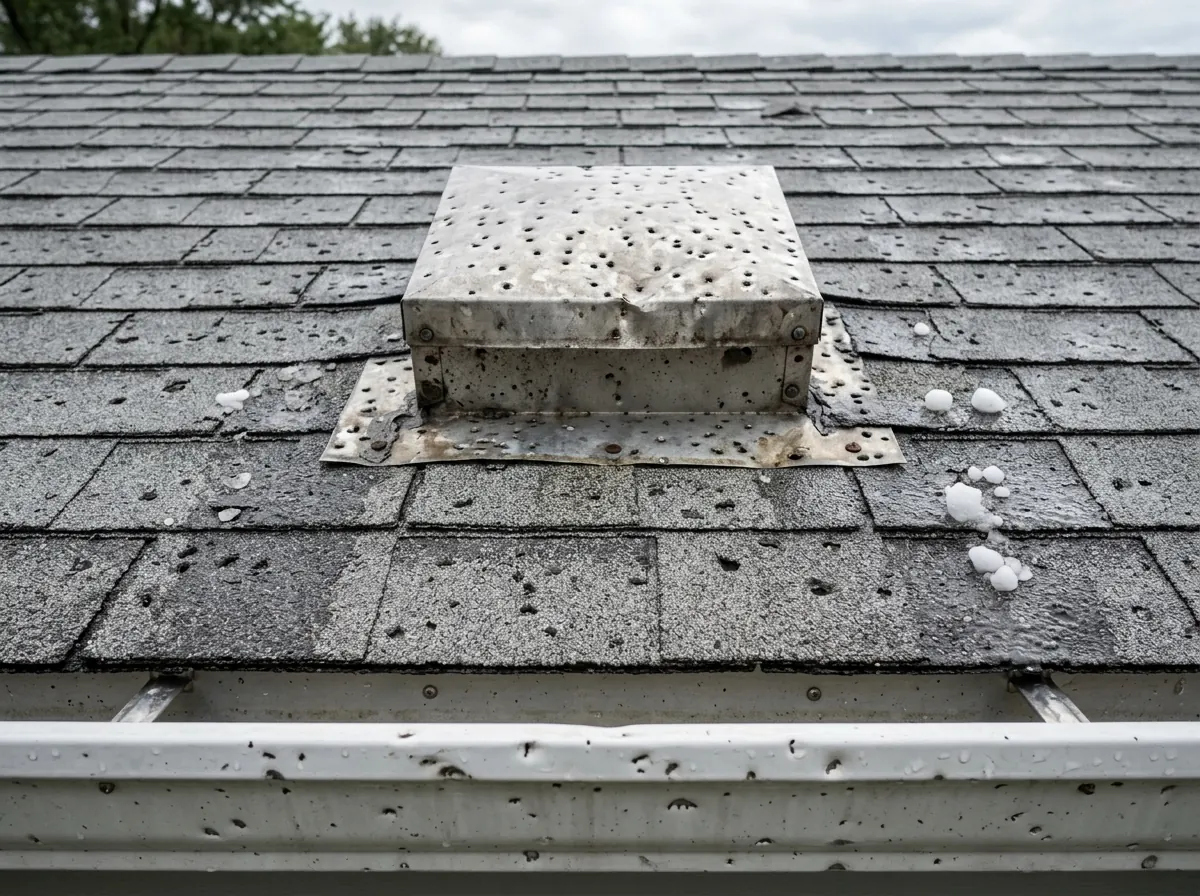
Hail Marks on Vents, Gutters and Downspouts
Aluminum box vents, ridge-vent caps, aluminum gutters and downspouts dent easily, and the pattern of dents shows the direction the storm came from and roughly how big the stones were. InterNACHI notes that hail dents in aluminum are usually a little smaller than the stones that made them, and that steel gutters hold up far better than aluminum, with copper in between. Those dents are collateral evidence: they help prove a storm hit the house, but a dented gutter on its own doesn't mean the shingles are damaged. The reverse is also true, so an inspector checks both. Bent vent caps and crushed downspouts get replaced. Gutters with deep dents along the front may be replaced too, or left if they still drain, which is a choice to make with your adjuster's figures in hand.
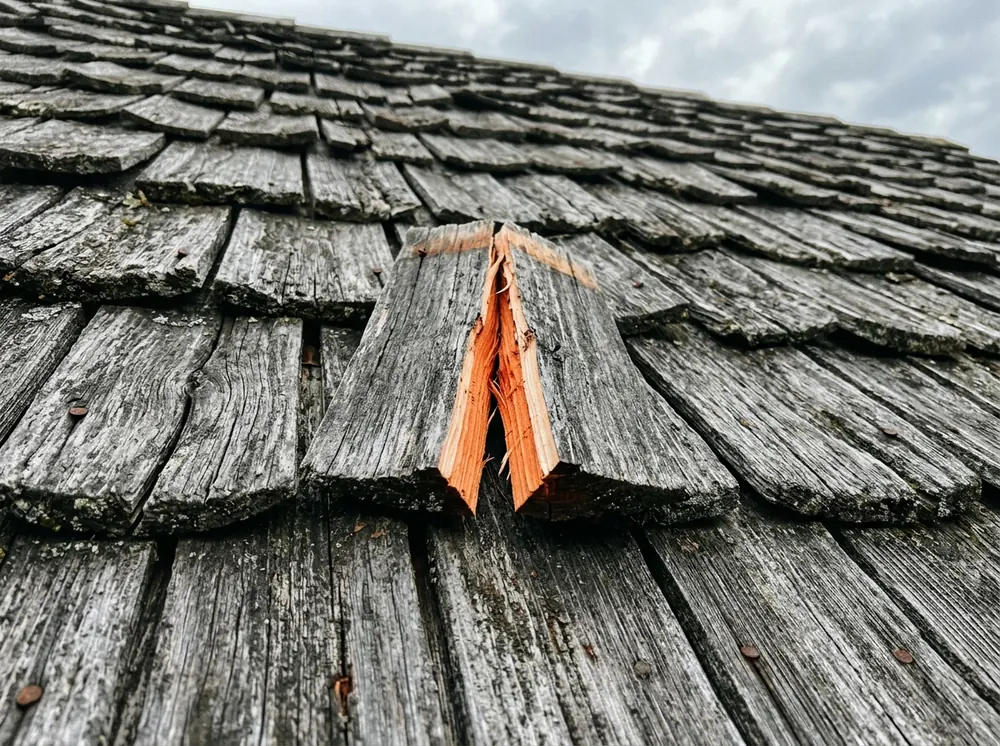
Split Cedar Shakes
Wood shakes split as they age, which makes hail damage on cedar easy to argue about. The difference is in the split itself. According to InterNACHI, a fresh split from a hailstone, a falling branch or a footstep has sharp edges and orange wood inside. Over several months the exposed wood weathers to gray. A weathering split has rounded edges and is the same gray inside as on the surface, and it's usually widest at the butt. So the time to document a cedar roof is soon after the storm, before the new splits fade to match the old ones. Repairs mean pulling the split shake and slipping a new one in with a metal shim or a new shake underneath. The cedar shake roofing page covers grades and replacement.
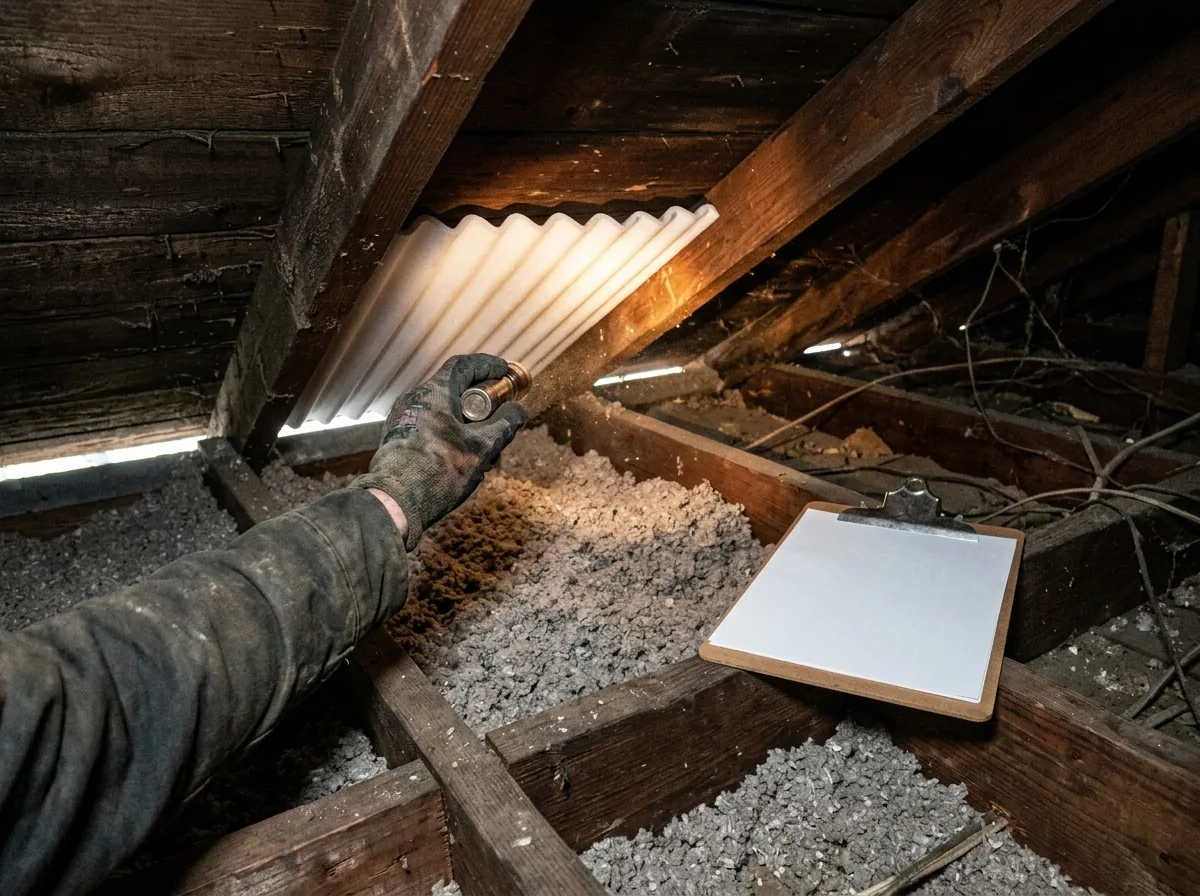
Why Sterling Heights homeowners call Sterling Heights Expert Roofing
- Free roof and attic inspection
- Itemized written estimate before any work
- Your request goes to one local roofer, not a call list
- Requests from inside Sterling Heights city limits
- Nothing to pay for the referral
Hail Damage Roof Repair in Macomb County: The Storm Record
The National Weather Service calls a thunderstorm severe when it drops hail 1 inch across or larger, about the size of a quarter. NWS spotter charts run from penny (0.75 inch) and nickel (0.875 inch) through quarter (1 inch), half dollar (1.25), ping pong ball (1.5) and golf ball (1.75 inches).
Macomb County gets the severe kind. On July 20, 2023, the Storm Prediction Center's preliminary reports listed golf-ball hail, 1.75 inches, and 1.5-inch hail at two spots in the county. On the March 6, 2026 report day, quarter-size hail was reported in the county's north end, near Hayes and 26 Mile Road. A storm-report aggregator, StormerSite, counts 65 hail reports within 10 miles of central Sterling Heights since 2004, the largest 1.75 inches.
Those are reports at points, not maps of every street that got hit. Hail falls in swaths, and one subdivision can be pounded while the next stays clean. If your neighbors are getting roofs replaced after a storm, have yours checked. If they aren't, a hail claim on your roof isn't ruled out, but it'll need evidence of its own.
Hail Damage Roof Repair: Telling Hail From Look-Alikes
Adjusters see a lot of damage that isn't hail, and a good inspection report rules out the look-alikes before it lists hail hits:
Blistering
Small raised bubbles in the asphalt that pop and leave pits. They come from the shingle itself, not from an impact.Mechanical damage
Foot traffic, dropped tools and ladders. InterNACHI notes a ladder leaves two marks about 16 inches apart where a ladder would sit.Creases and scratches
Hail doesn't crease metal or leave scratches. A creased tab is wind (see the storm damage page). A scratched dent is something else.Patterns
Real hits are random. Damage clustered in the middle of tabs, one hit per tab, in an arc a person could reach from one spot, is the pattern InterNACHI describes for deliberately faked damage.Old hail
Bruises that have weathered and grown moss may be from an earlier storm, which matters if that storm was already claimed or is past your policy's reporting window.
Ask for the report to name the storm date it's tied to and to show the test-area counts per slope.
Hail Damage Roof Repair or a New Roof: Deciding by the Hit Count
Scattered hits on a newer roof can often be repaired shingle by shingle, as long as the replacement shingles match well enough and the old ones aren't so brittle that they crack when lifted. If the hits run across most of each slope, or the mat is fractured widely, patching just moves the leak. Then you're looking at a roof replacement.
If you do replace, consider impact-rated shingles. UL 2218 Class 4 is the top rating, and what that test involves is on the shingle roofing page. Ask your insurer whether an impact-rated roof changes your premium before you pick a product.
Whatever the scope, keep the paperwork straight. The inspection report, the photos and the written estimate go to your insurer, and the decisions about the claim stay between you and them. What DIFS tells Michigan homeowners about filing a claim, what depreciation means for your check, and how to spot a storm chaser at the door are on the storm damage roof repair page.