
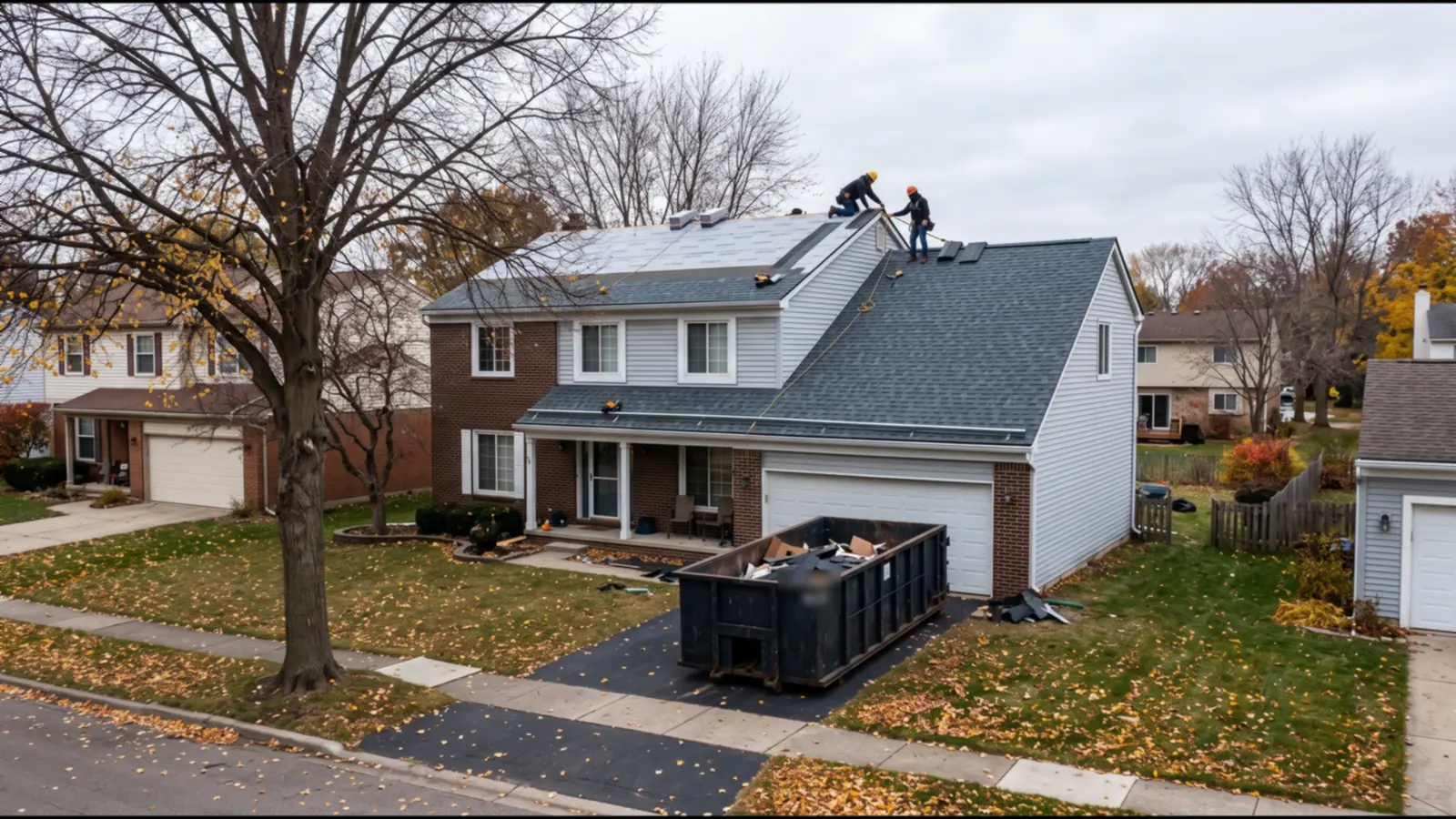
Roof Coating Options on Sterling Heights Flat and Metal Roofs
Silicone Restoration Coatings
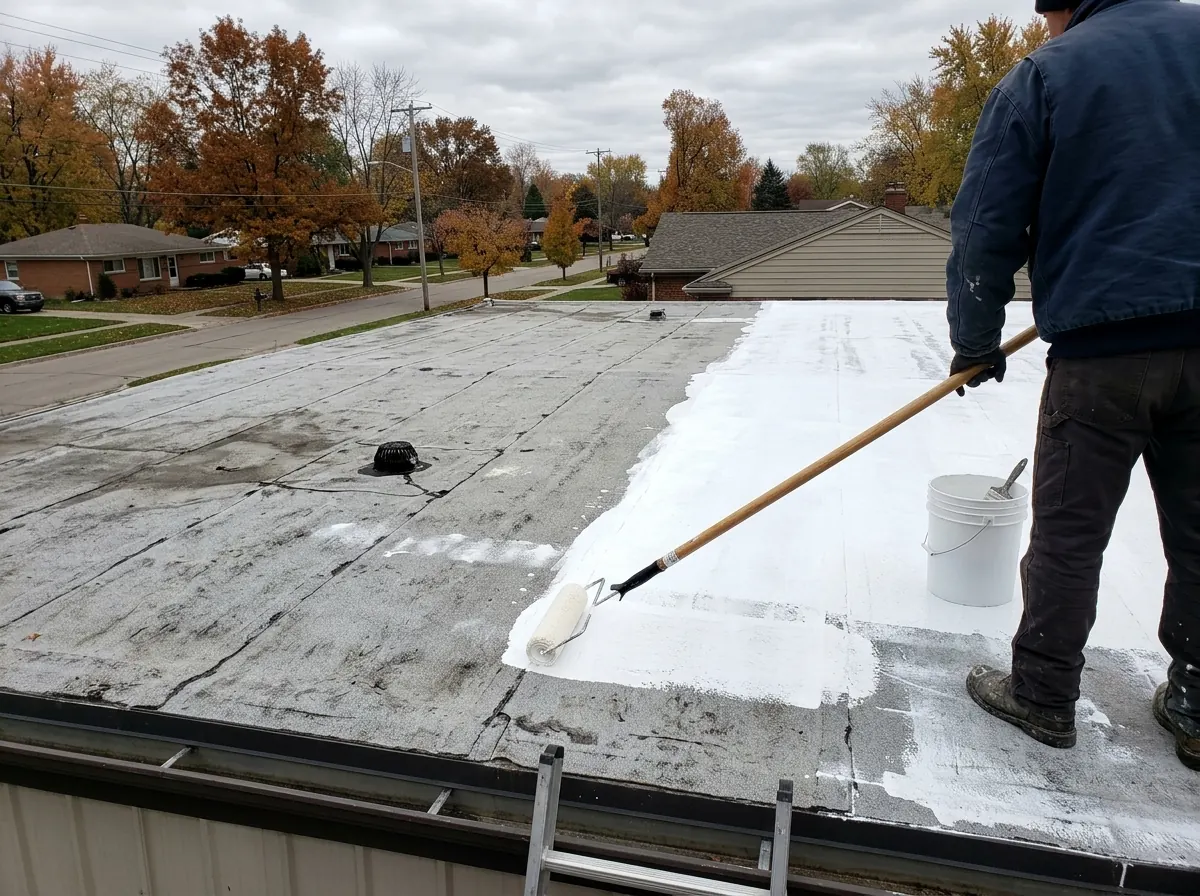
Silicone is the coating for flat roofs that hold some water. CertainTeed describes it as inorganic, moisture-cured and about 95 percent solids, so what goes on is close to what stays. The same CertainTeed guide says silicone was first developed in the 1960s to protect spray foam, and that it handles ponding water and UV better than acrylic. It also goes on in colder weather (the numbers are in the cure section below). The catch is dirt pickup over time, plus recoating. HomeAdvisor's advice is to recoat a silicone roof with silicone, because different coatings don't always bond to each other.
Water-Based Acrylic Coatings
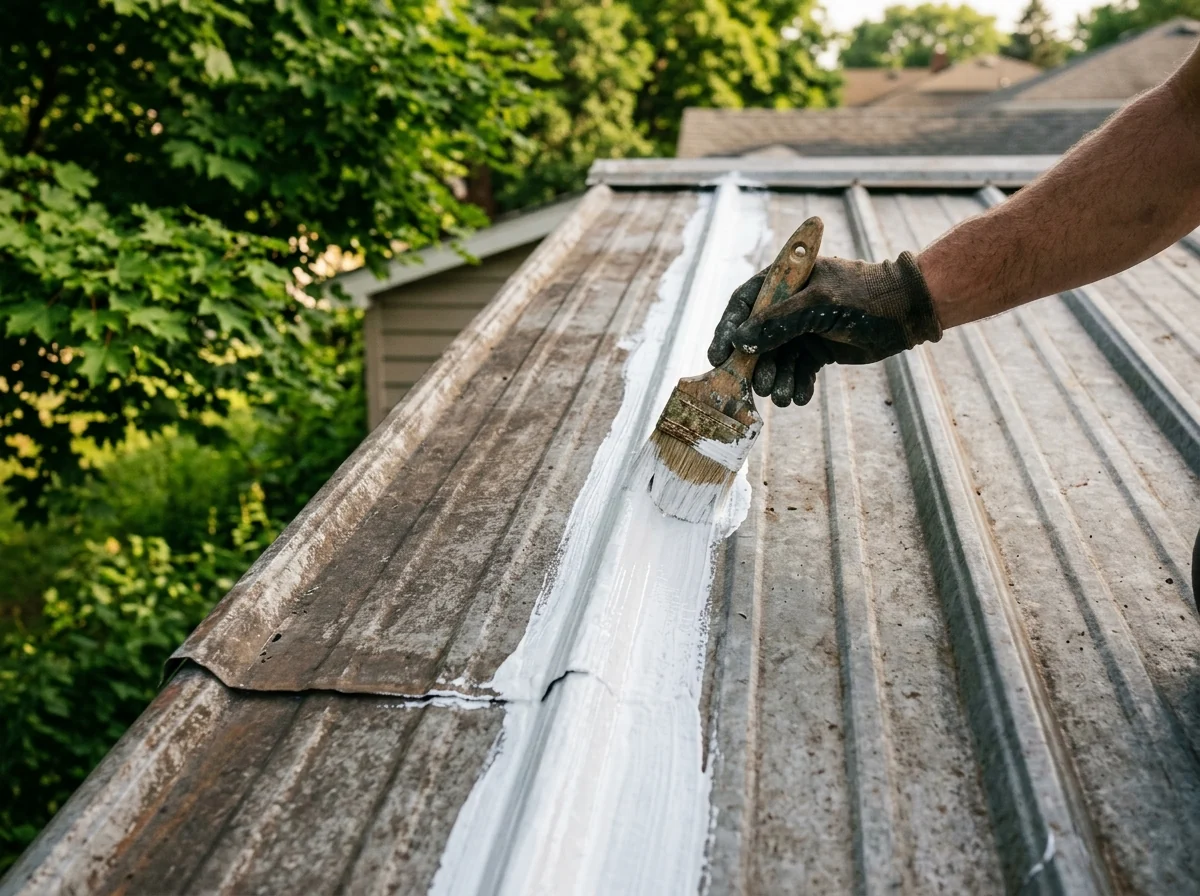
Acrylic (ASTM D6083) is a water-based elastomeric coating, the cheapest of the full-roof coatings in HomeAdvisor's price list. It suits sloped metal roofs and any roof that drains well, and it comes in more colors than silicone. The trouble here is weather. Acrylic needs warmer weather than silicone to go on and cure, and HomeAdvisor notes it may need reapplying every 10 years or sooner. On a Michigan roof that makes it a summer job, and only where the slope sheds water.
Fibered Aluminum and Asphalt Coatings
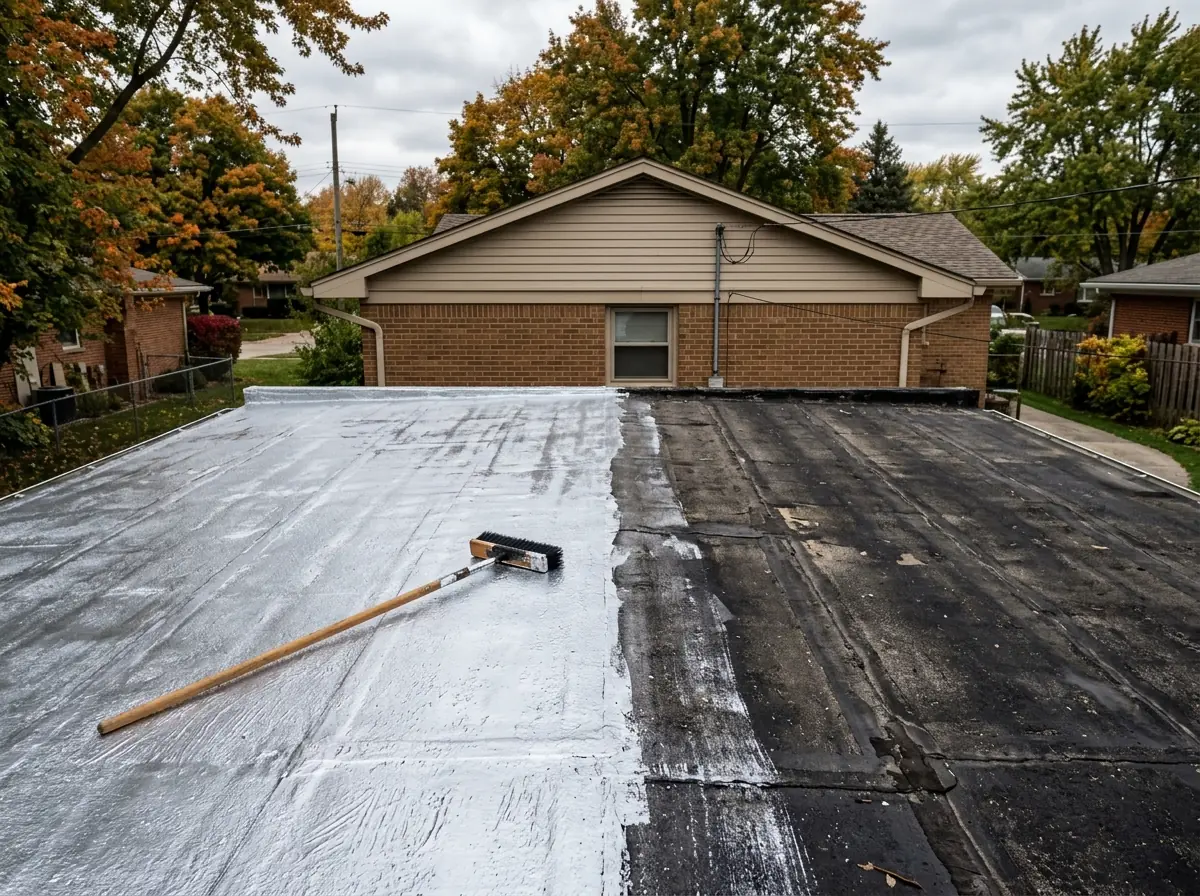
These are the silver and black coatings used on built-up, roll and modified bitumen roofs. Aluminum-pigmented asphalt coating is covered by ASTM D2824, and the code lists several asphalt coatings for built-up and modified bitumen roofs. The aluminum standard includes a luminous reflectance requirement, which is the point of the silver finish. They're maintenance coats, not restoration systems: InterNACHI gives an aluminum coating 3 to 7 years. HomeAdvisor notes bitumen-based coatings are mostly used on built-up and modified bitumen roofs, not as a complete coating on other membranes.
Rust-Inhibiting Coatings for Metal Roofs
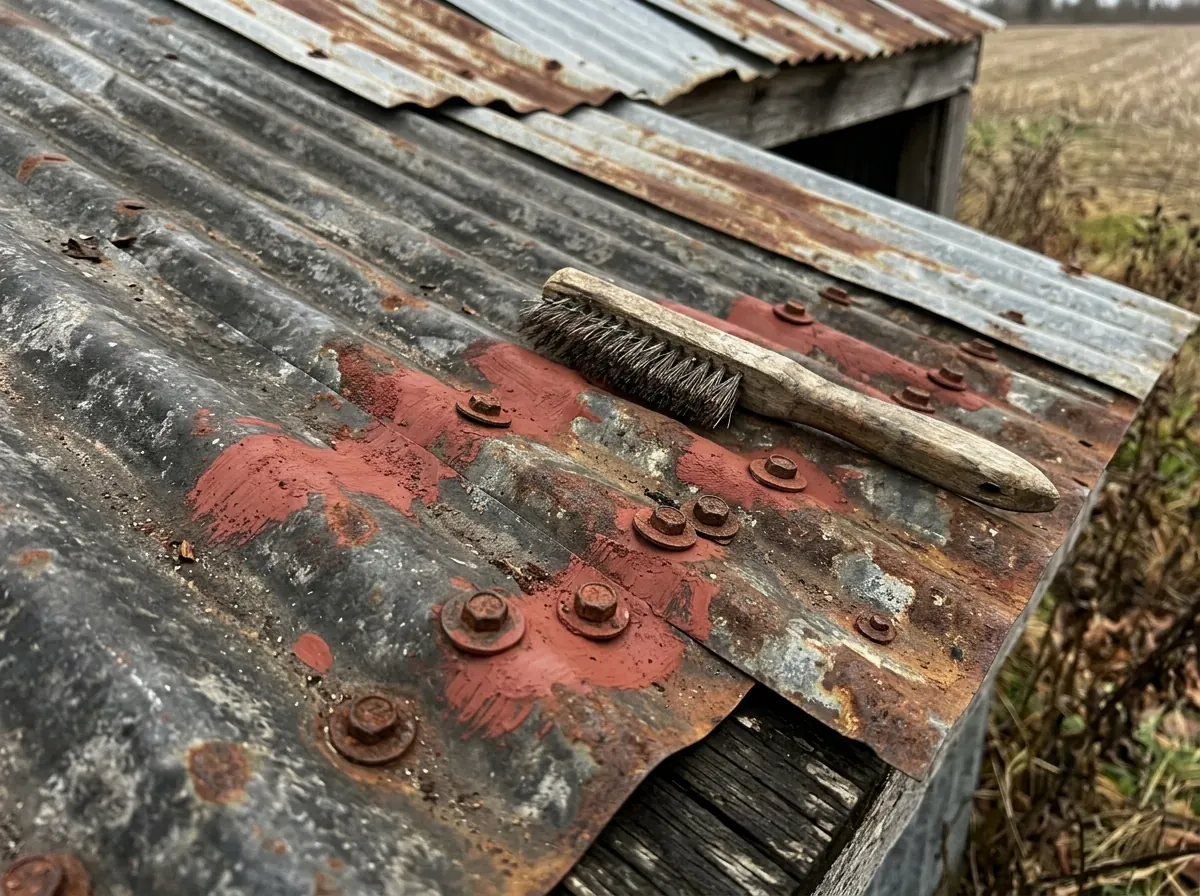
An old exposed-fastener metal roof on a garage or outbuilding is the classic coating job. The prep is most of the work. American WeatherStar's application guideline for its Met-A-Sil coating over metal calls for cleaning with pressure washers, scrapers and wire brushes, priming every rusted area with a red oxide rust primer, and re-tightening every fastener, replacing stripped ones with larger-diameter screws. Vertical seams get reinforced and every fastener head encapsulated before the topcoat. Our view: a coating slows surface rust, and a panel that has rusted through needs replacing first.
Coating Over Aged EPDM and Mod-Bit
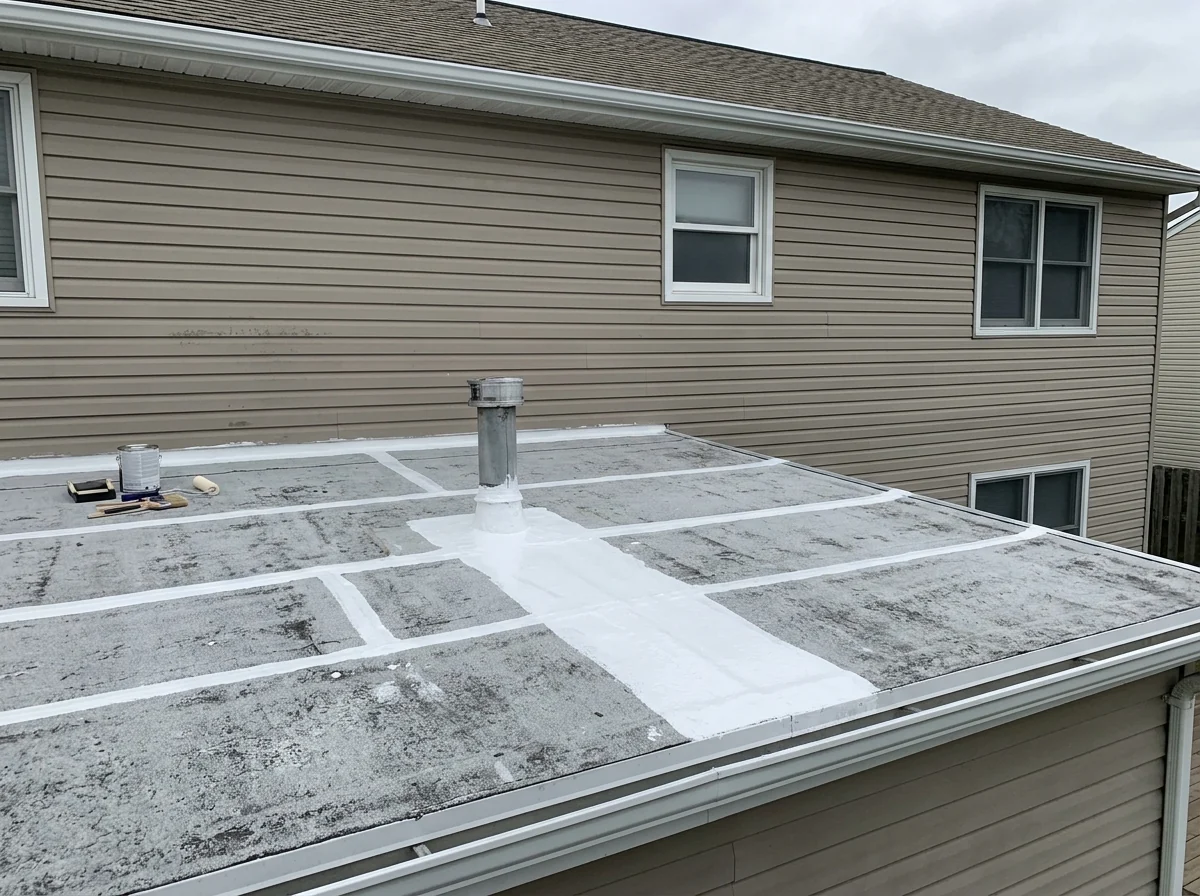
An EPDM or modified bitumen roof that is chalky and crazed but still dry underneath can get a coating instead of a tear-off. The residential code allows a protective coating over thermoset and thermoplastic single-ply, modified bitumen and built-up roofs, and over an older coating. The work starts at the seams and flashings: lifted EPDM laps get repaired and blisters in mod-bit get cut out and patched before anything is rolled on. Each manufacturer names the cleaner and primer for each surface. If the roof was coated before, the roofer has to identify that old coating, for the bonding reason given under silicone. If the membrane is past saving, see flat roofing for replacement prices.
Why Sterling Heights homeowners call Sterling Heights Expert Roofing
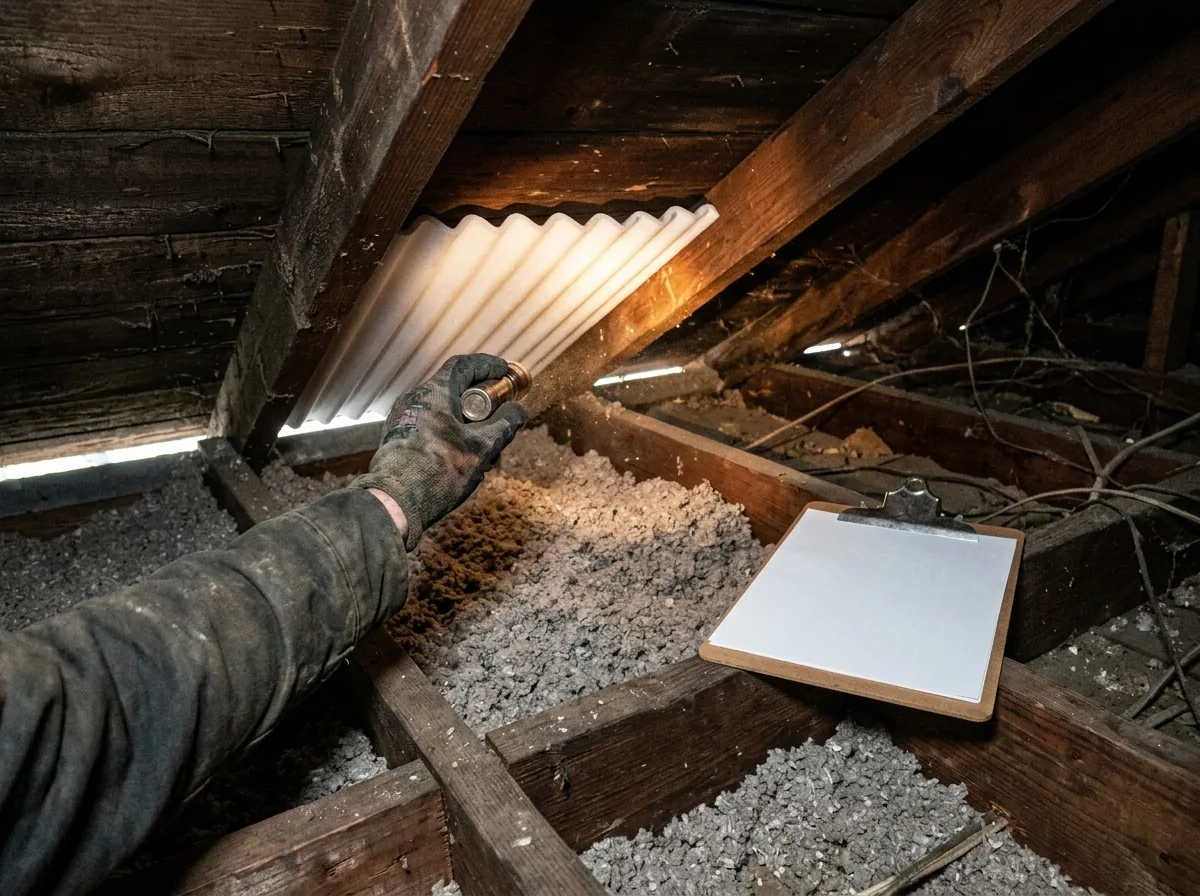
- Free roof and attic inspection
- Itemized written estimate before any work
- Your request goes to one local roofer, not a call list
- Requests from inside Sterling Heights city limits
- Nothing to pay for the referral
Roof Coating or Roof Replacement: How to Choose
A coating buys time on a roof that is sound. It doesn't fix one that isn't. Before anyone quotes a coating, ask for three checks:
- 1
Moisture
Core cuts or an infrared or moisture-meter scan. Wet insulation under a new coating keeps rotting the deck, and replacement is the only fix. - 2
Ponding
GAF counts water still on the roof 48 hours after rain as ponding. Silicone copes with some of it, but a roof that ponds badly needs tapered insulation or drains, which means new roofing. - 3
Adhesion
A small test patch shows whether the coating bonds to what's there.
Asphalt shingles are a different case. HomeAdvisor calls a full coating on asphalt shingles a short-term fix that may do more harm than good, and repairs or a new roof are the long-term answer. On a commercial building, the commercial roofing page covers recover and tear-off limits.
Roof Coating Prices: What Moves the Estimate
HomeAdvisor's published installed prices per square foot, which are national estimates, not quotes:
| Coating | Installed, per sq ft |
|---|---|
| Acrylic | $0.65 to $1.75 |
| Bitumen (asphalt-based) | $1.25 to $2.50 |
| Silicone | $1.50 to $2.50 |
| Pitched metal roof coating | $1.50 to $3.00 |
| Flat roof coatings overall | $0.75 to $5.00 |
Prep moves the price more than the pail. Seam repairs, blister patches, rust priming and fastener replacement are labor, and so is any wet insulation that has to be cut out and replaced. A pitched roof costs more to coat than a flat one because the coating goes on in thinner layers and more coats. Ask for the coating's dry film thickness or the gallons per 100 square feet in writing, since that's what you're paying for.
Roof Coating Cure Temperatures and Cool-Roof Labels
Coating chemistry and Michigan weather have to line up. CertainTeed puts the minimum at about 50°F and rising for acrylic and about 35°F for silicone, and says an acrylic coat that freezes before it cures can be permanently damaged. That pushes acrylic jobs into late spring and summer. Silicone gets a longer window into fall.
White coatings are often sold as energy savers. Treat any "ENERGY STAR certified" claim on a roof coating with suspicion: the EPA ended the ENERGY STAR specification for roofing products on June 1, 2022. For reflectance data, the Cool Roof Rating Council publishes a Rated Roof Products Directory. Ask whether the coating being quoted is listed there.