
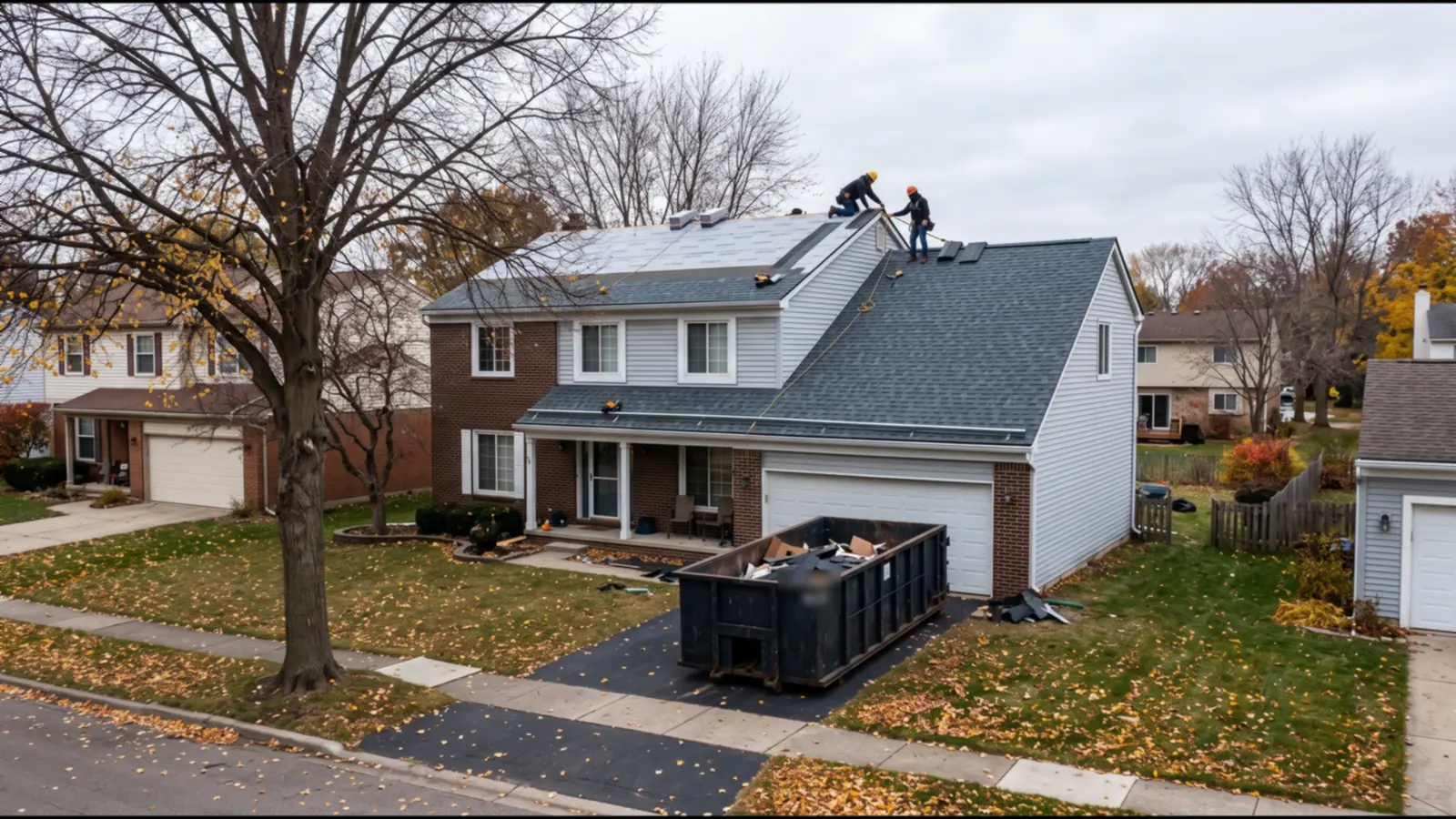
Roof Inspection Choices on Sterling Heights Roofs
Home-Purchase Roof Inspections
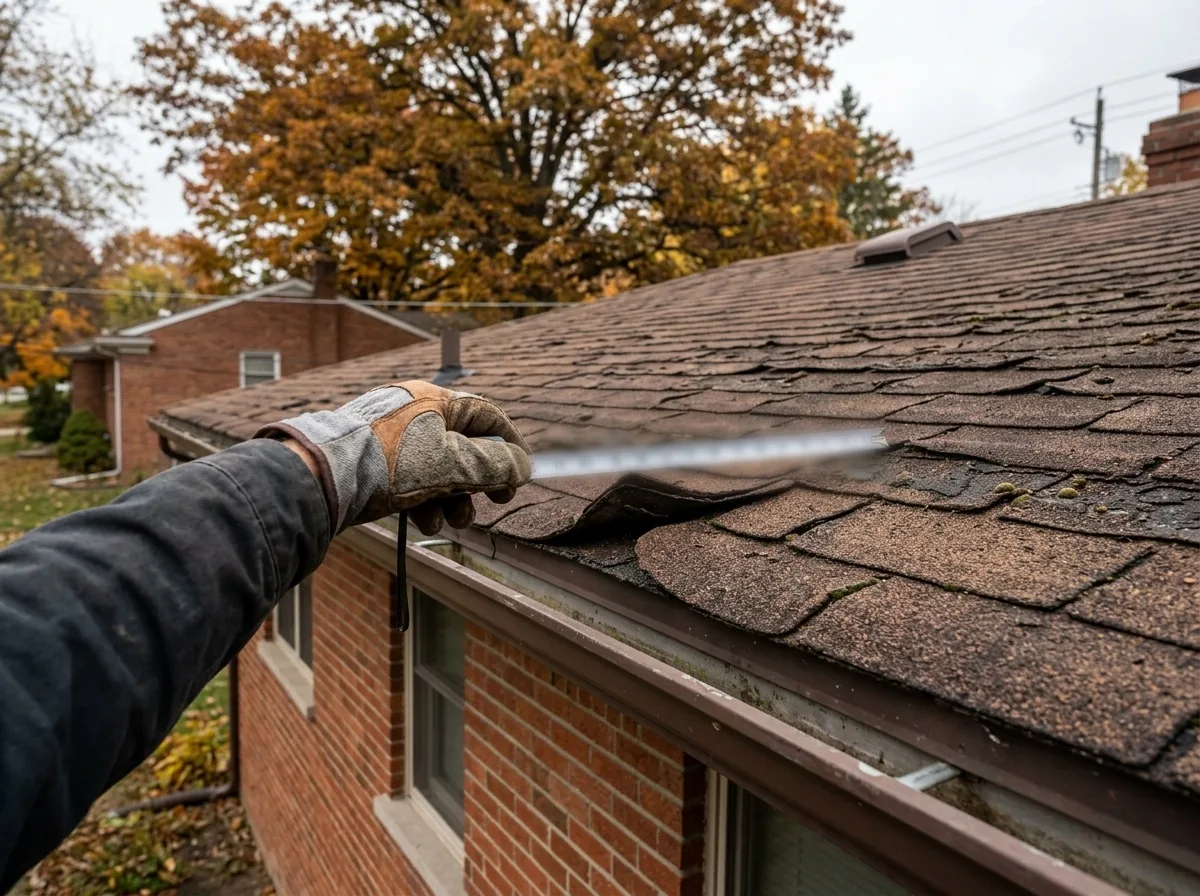
A general home inspection covers the roof, but HomeGuide notes that it can be a limited visual check, with the underside seen while the inspector is in the attic for other systems. A buyer's roof inspection goes further. A roofer walks the slopes where it's safe and notes the shingle type and number of layers, granule loss, curled or cracked tabs, the flashing at every wall and chimney, the vent boots, and soft spots in the deck underfoot. Then the attic: old stains on the rafters, signs of frost around the nail tips, and soffit vents buried under insulation. The point is a number you can negotiate with: a roof with a few years left changes the price of the house, and HomeGuide notes that many mortgage lenders want at least 3 years of useful life, as judged by an inspector. Book it early in your inspection contingency window. HomeGuide says reports usually arrive 1 to 2 days after the visit.
After-Storm Roof Checks
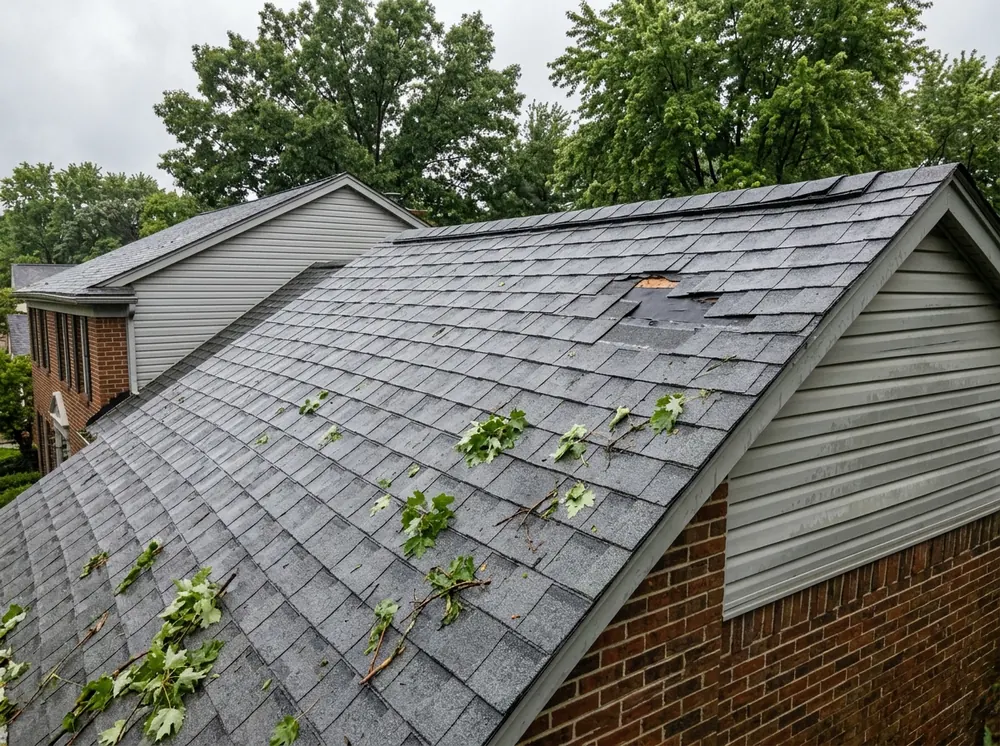
After hail or high wind, an inspection answers one question: did the storm damage the roof, or is what you're seeing just age? Hail leaves randomly scattered bruises where granules were knocked off. Wind leaves creased, torn or missing tabs, usually along eaves, hips and ridges. Old roofs have their own wear (blistering, curling, cracked tabs), and insurance generally treats that as wear and tear, not storm damage. A useful post-storm report has dated photos, a slope-by-slope count, and notes on dented vents, gutters and downspouts, which back up what's on the shingles. What to do with that report, from the claim to the adjuster's visit, is on the storm damage roof repair page, and the hail damage roof repair page explains how hail marks differ by material.
Spring and Fall Maintenance Checks
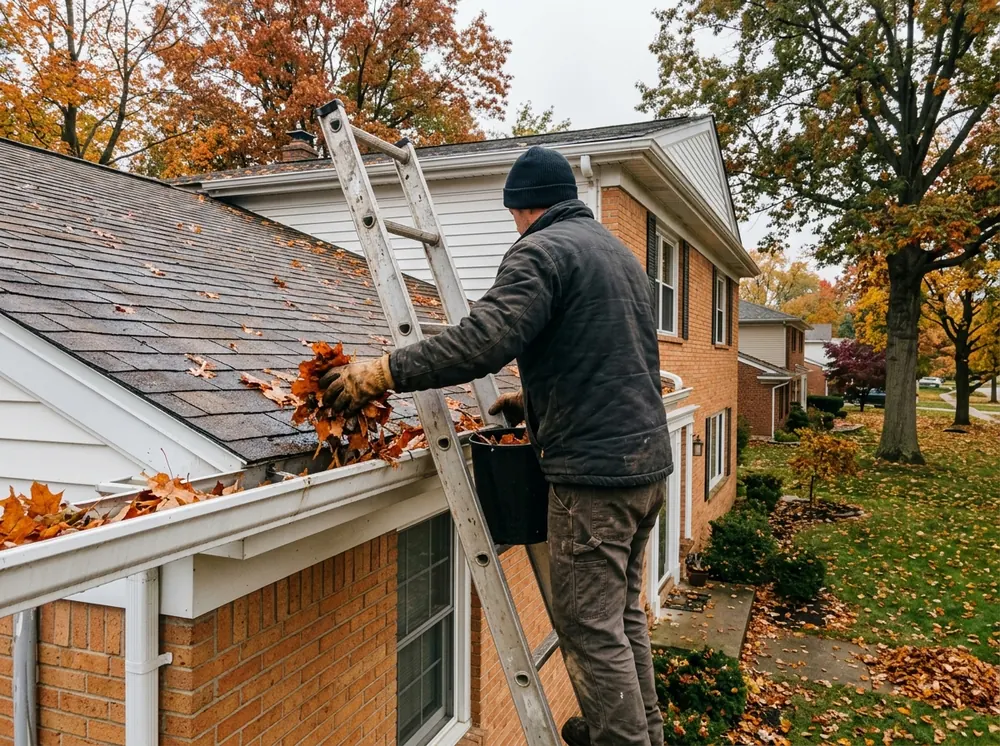
The National Roofing Contractors Association (NRCA) recommends checking a roof at least twice a year, preferably in spring and fall, and again after severe weather. On a steep roof, NRCA says most of that check can happen from the ground or a ladder at the edge, and it advises homeowners without experience and safety gear to stay off the roof. In spring the job is finding what winter did: lifted tabs, a cracked boot, granules piled at the downspouts. In fall it's getting ready for snow: clearing valleys and gutters, checking that the bath fan and dryer vents are intact, and fixing small flashing gaps before ice can work into them. On a roof in its second decade, those small fixes are what keep it from becoming a leak repair.
Drone and Infrared Moisture Scans
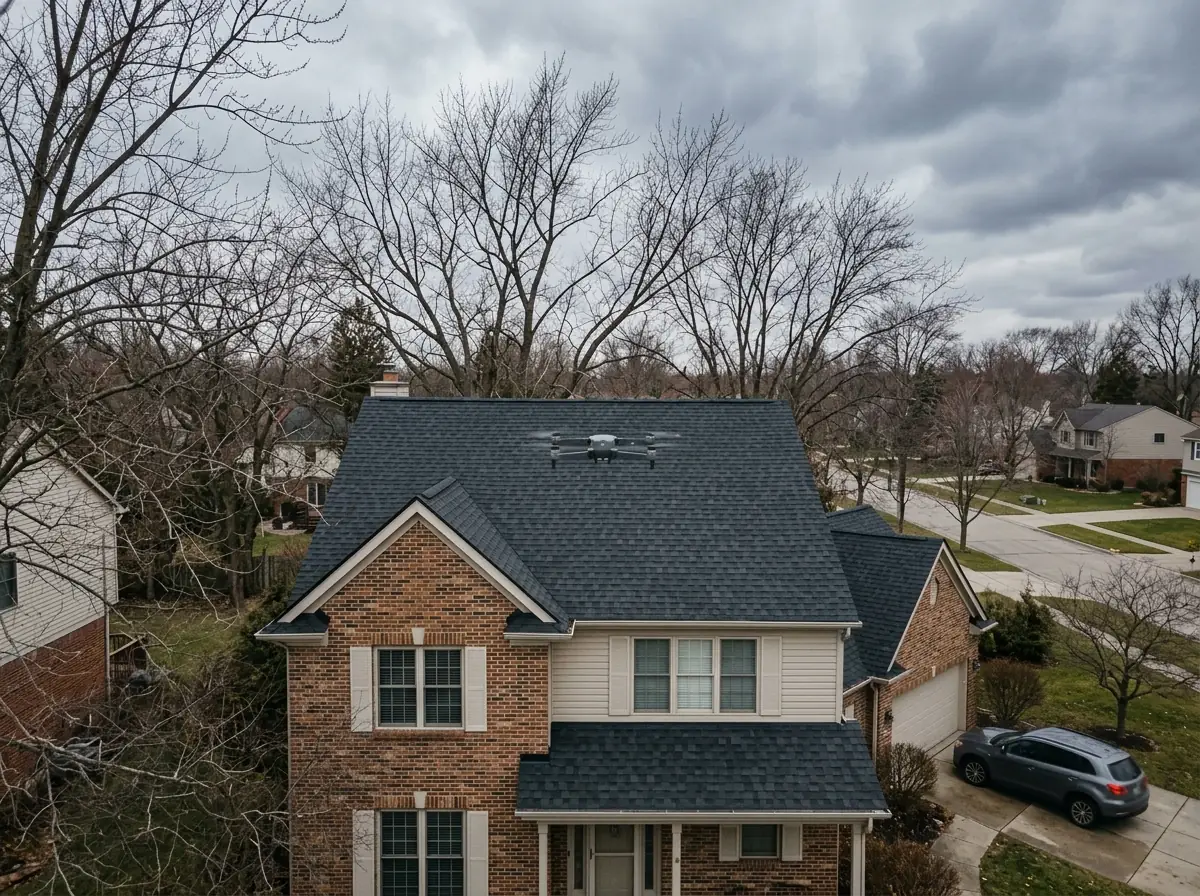
A drone photographs a steep, high or fragile roof without anyone walking on it, which matters on a 12:12 slope, a two-storey gable or a roof soft enough to break underfoot. Anyone flying a drone for business needs an FAA Part 107 Remote Pilot Certificate and a registered aircraft, so ask whoever shows up. Infrared works differently. Wet insulation and decking hold the day's heat longer than dry areas, so a thermal camera shows them as warm patches. It's most useful on low-slope membrane roofs over garages and additions, where water can travel under the membrane far from where it got in. Prices for both are in the fee section below.

Roof Condition Letters for a Sale or Insurer
Sometimes the buyer's lender or a new insurer wants a document, not a conversation. A roof condition letter, often called a roof certification, states the roof's condition and its expected remaining life. HomeGuide says one is normally issued only for a leak-free roof with 2 to 5 years of useful life left, often only after the repairs the inspection found are done. It's an expert opinion and not a guarantee that the roof won't leak. Ask what the letter will actually say before ordering one.
Why Sterling Heights homeowners call Sterling Heights Expert Roofing
- Free roof and attic inspection
- Itemized written estimate before any work
- Your request goes to one local roofer, not a call list
- Requests from inside Sterling Heights city limits
- Nothing to pay for the referral
Roof Inspection Fees and What Changes Them
HomeGuide puts the average roof inspection at $100 to $400. A walk-on visual inspection runs $75 to $200, drone inspections $100 to $450 and infrared scans $400 to $600. A certification letter adds $75 to $200. The things that push a price up or down:
Height and pitch
A one-storey ranch at 4:12 is a quick walk. A steep two-storey roof may need a drone or extra safety gear.Roof size and how cut up it is
Dormers, valleys and several roof levels on a split-level mean more flashing to check.The attic
A full attic check takes longer when the hatch is in a closet and the insulation is deep.The paperwork
A purchase report or certification letter takes more time than a verbal walk-through.Moisture mapping
Infrared is the priciest of the three, and it's only worth paying for when trapped water is suspected.
When you ask a roofer to inspect before quoting a repair or replacement, the inspection comes with the estimate, and that's how requests through this site work. A stand-alone report with no work attached is a separate service, so ask up front if that's what you need.
Roof Inspection Reports: What a Useful One Shows
A good report lets someone who never climbed the ladder understand the roof. Ask for these:
- 1
The basics
Covering type, approximate age if known, number of layers, and slope. - 2
Photos tied to locations
"North slope, left of the chimney" beats a camera roll of close-ups. - 3
Each flashing point
Chimney, sidewalls, skylights, vent boots, valleys and drip edge, each rated, not just "flashing OK". - 4
The attic
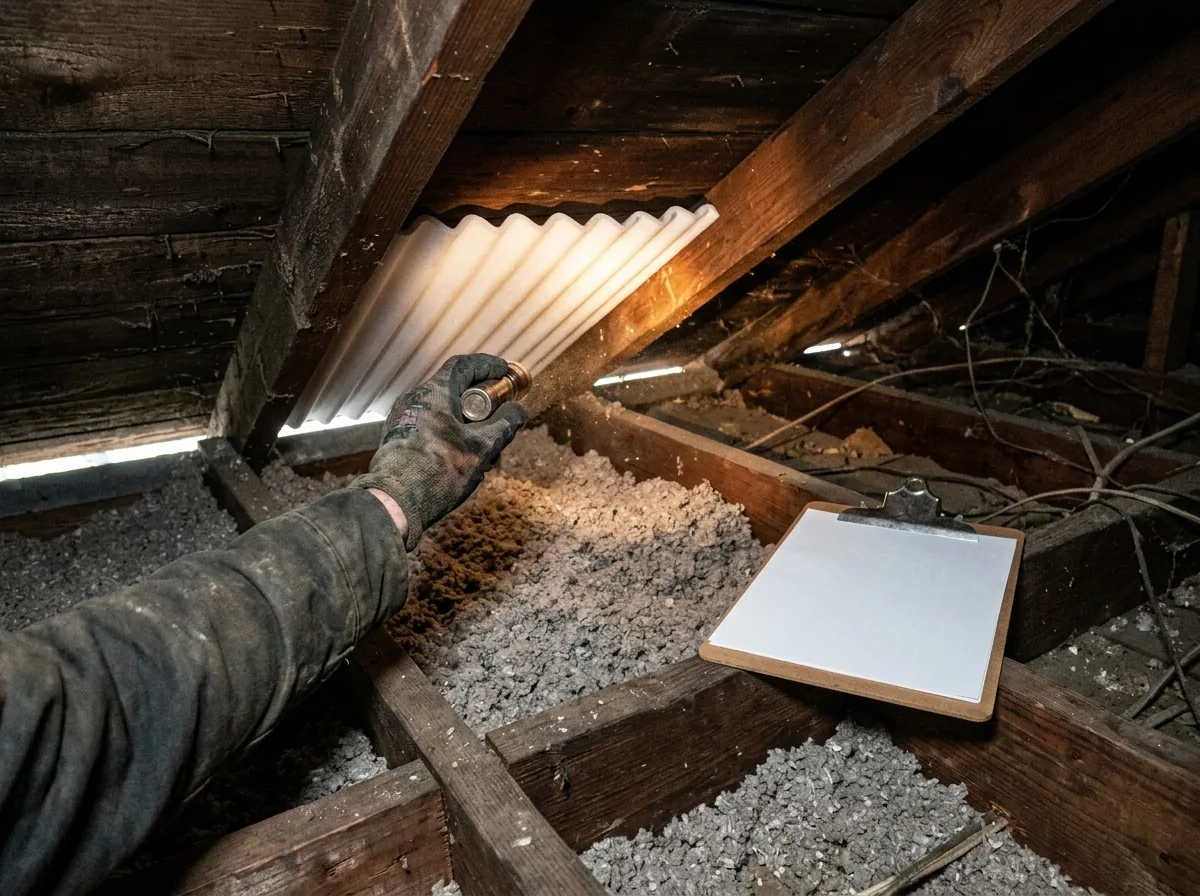
Stains, frost marks, wet insulation, deck condition, vent openings and whether bath fans exhaust outdoors. - 5
Repair or replace, with reasons
If it says replace, it should say why a repair won't do, then give a written price for both if both are possible.
HomeGuide makes a fair point about who's inspecting: a home inspector has no financial interest in the repair, while a roofer gains from finding damage. Neither is wrong to use. Just read a roofer's report with that in mind, and ask to see the photo behind each item on the repair list.
Roof Inspection in a Macomb County Winter
Snow changes what an inspection can see. Under a few inches of it, nobody can judge granules or hail marks, and a walk on icy shingles is a bad idea for anyone. A winter request still has value, though. The attic is the best place to look in January: frost on the nail tips, ice at the eaves, a wet stain spreading from a vent pipe. That's also when ice dams show which parts of the roof run warm. For the outside, the roofer may use binoculars, a drone or a ladder at the eave, then come back after the thaw for a full walk. If you're buying a house in winter, put that follow-up visit in writing in the purchase agreement. Ice dam causes and fixes are on the ice dam removal page.