
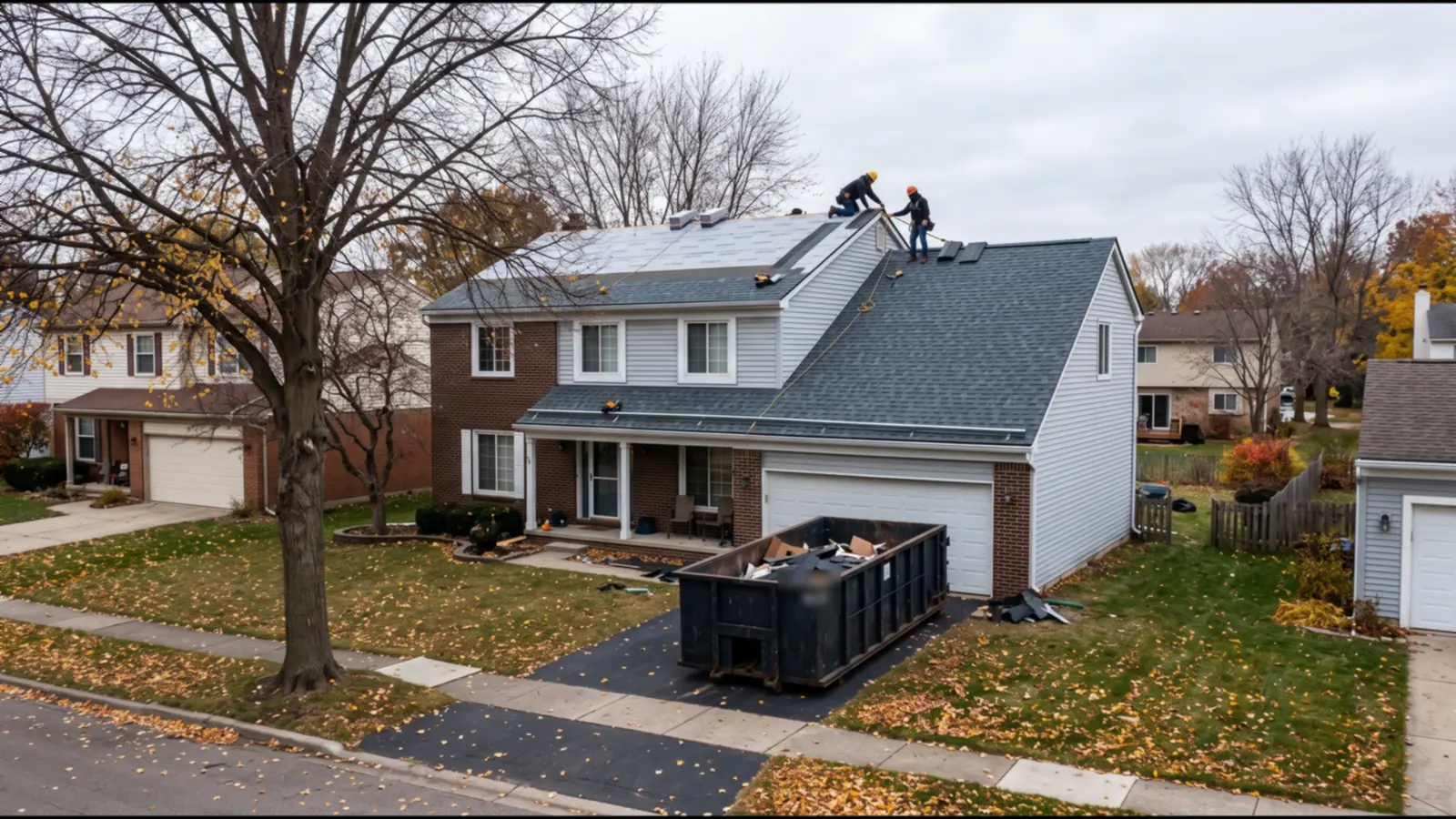
Roof Repair Work, Fault by Fault
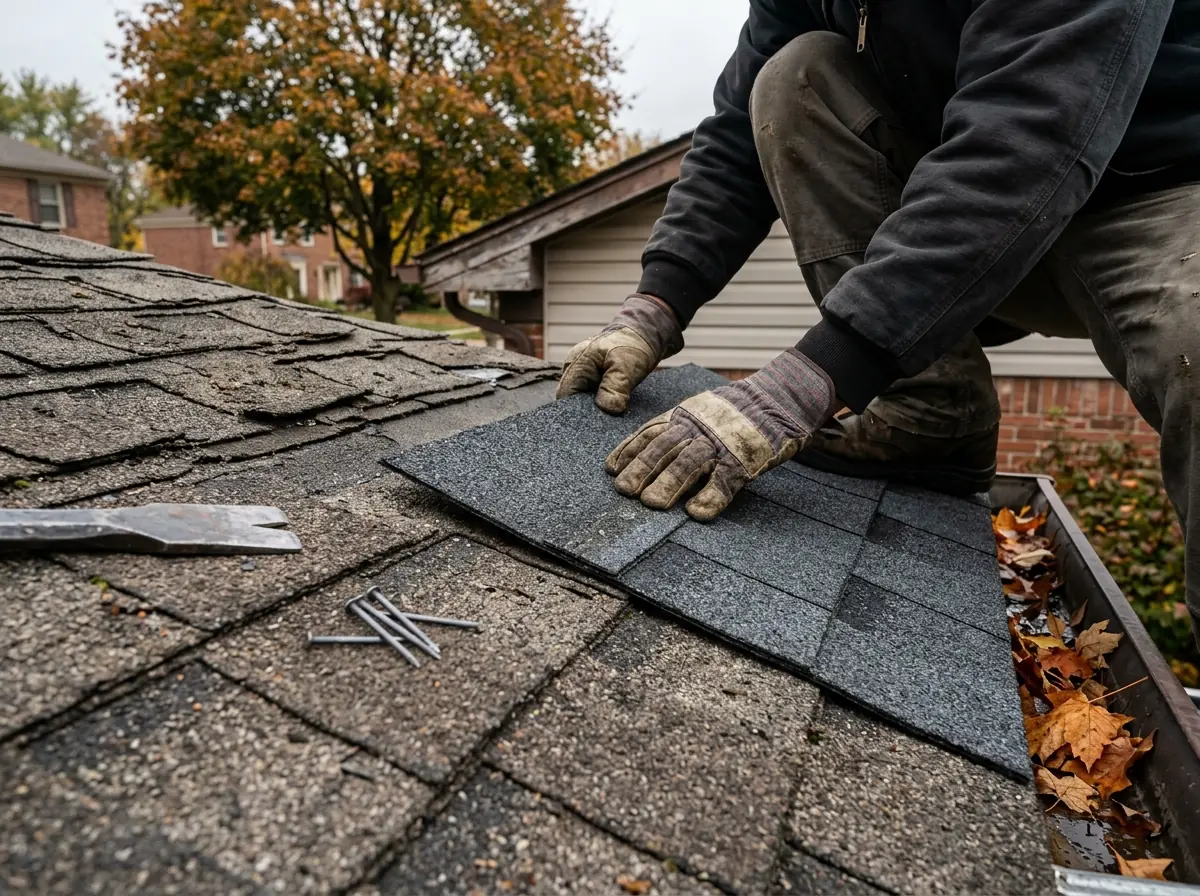
Blown-Off and Missing Shingle Replacement
A missing shingle exposes the nail heads of the course below and leaves the underlayment open to sun and rain. The fix is to break the seal on the courses above, pull the nails holding the damaged pieces, slide new shingles in and nail them with four nails each, the code minimum for strip shingles, then hand-seal the tabs. The hard part on a roof more than a few years old is color, because granules fade. Ask whether the roofer has a close match before agreeing to a patch on the slope that faces the street. HomeGuide puts replacing up to 25 shingles at $100 to $300. Wind ratings, and why some shingles keep their tabs better than others, are on the shingle roofing page.
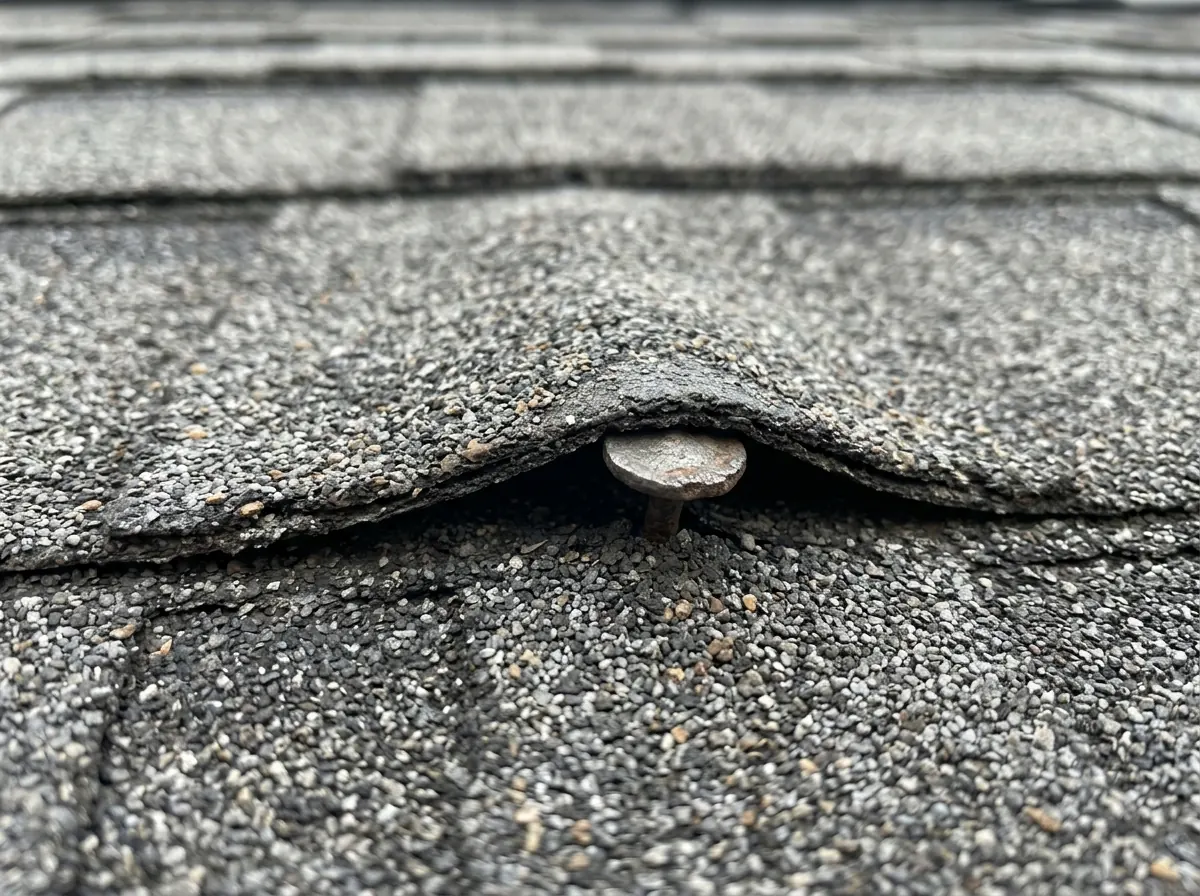
Nail Pops and Unsealed Tabs
A nail pop is a roofing nail that has worked its way back out of the deck and pushed up the shingle above it, sometimes far enough to poke through. From the ground it looks like a small bump in an otherwise flat row. Nails that missed solid wood, nails driven at an angle and deck boards that swell and shrink with attic moisture are the usual causes. The repair is to pull the nail, drive a new one beside it into solid wood, seal the old hole and re-seal the tab. Unsealed tabs are the related problem: the factory sealant strip never bonded, or has let go, and the tab flaps until it creases. The Asphalt Roofing Manufacturers Association says sealing depends on slope, orientation and sun, so a north slope shingled late in the fall may not seal until spring.
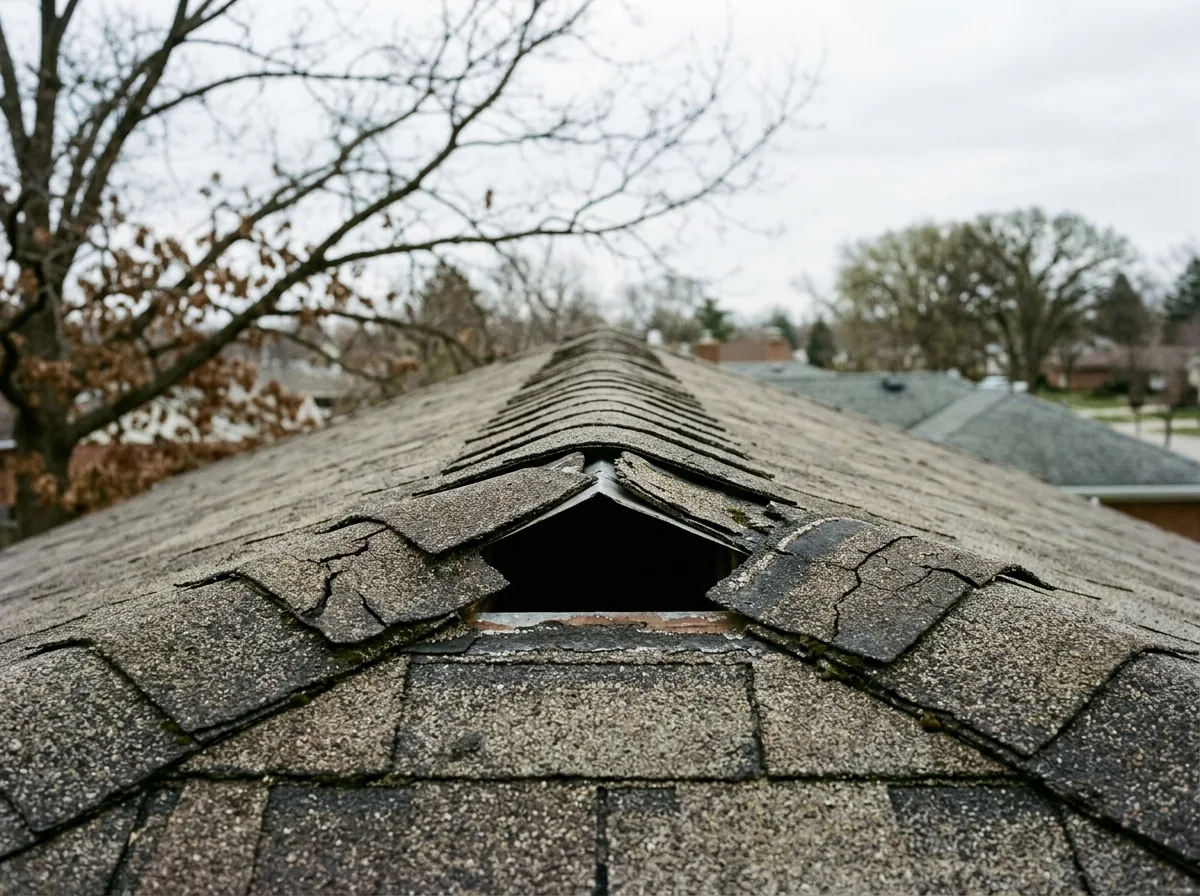
Hip and Ridge Shingle Repair
Ridges and hips take wind from both sides, and the cap shingles there are bent over the peak, which is why they are often the first to crack on an aging roof. Where the ridge has a vent, the caps also hold the vent down, so one missing cap can let rain and blown snow straight into the attic through the vent slot. The repair is new cap pieces, each lapped over the last and nailed through the vent into the deck. ARMA warns that hip and ridge shingles can crack when bent in cold weather, so in winter a careful roofer warms the caps first or waits for a milder day.
Loose Rake Edges and Starter Courses
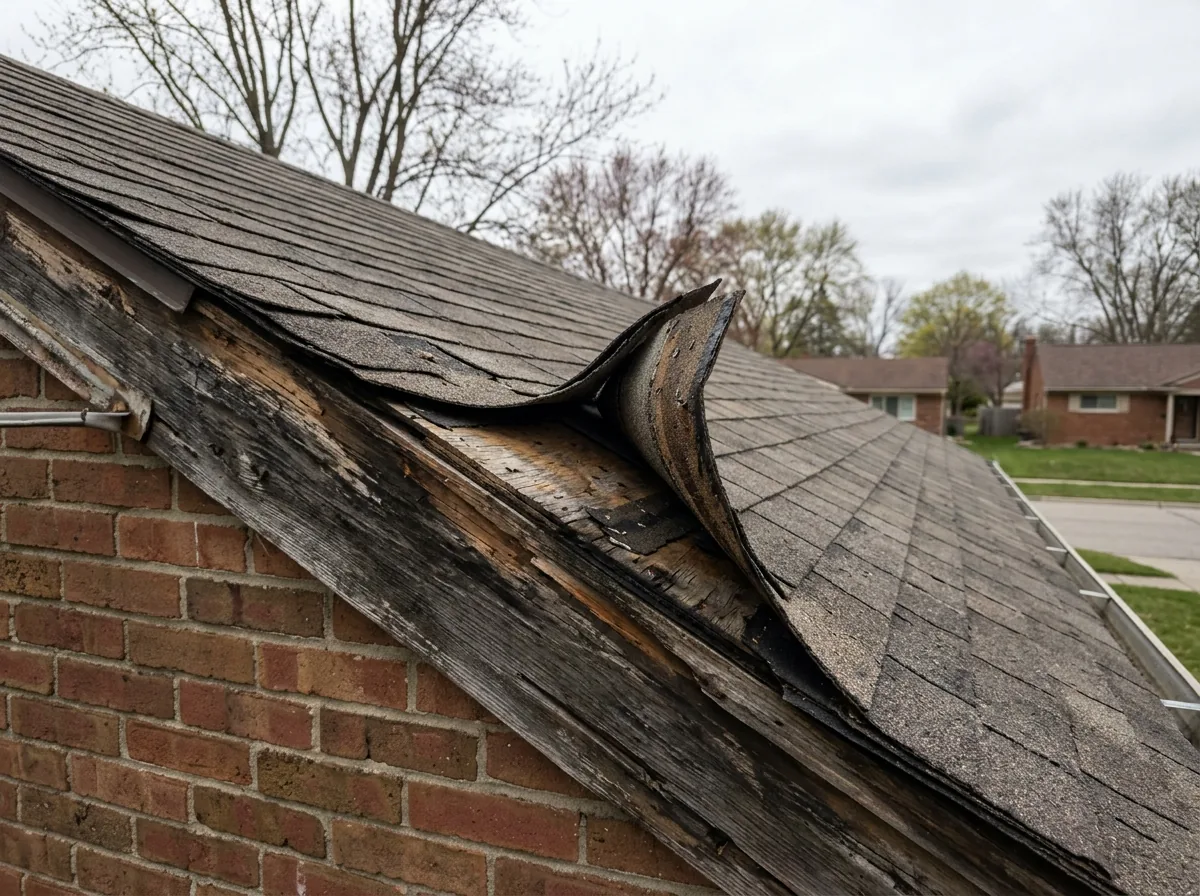
Wind gets under a roof at its edges first. Along the rakes (the sloped gable ends) and the eaves, a starter course with its own sealant line holds the first shingles down. If the starter was left out, nailed too high or put on as upside-down 3-tab strips, the edge shingles peel back in a strong gust and take the next courses with them. The repair resets the edge shingles over a proper starter strip, hand-seals them and checks that the metal edge underneath is still fastened. Some older roofs were finished with the shingles simply nailed over the wood rake board, with no metal edge at all. If yours is one, ask for a drip edge price on the same visit (drip edge rules).
Cracked Vent Caps and Exhaust Hoods
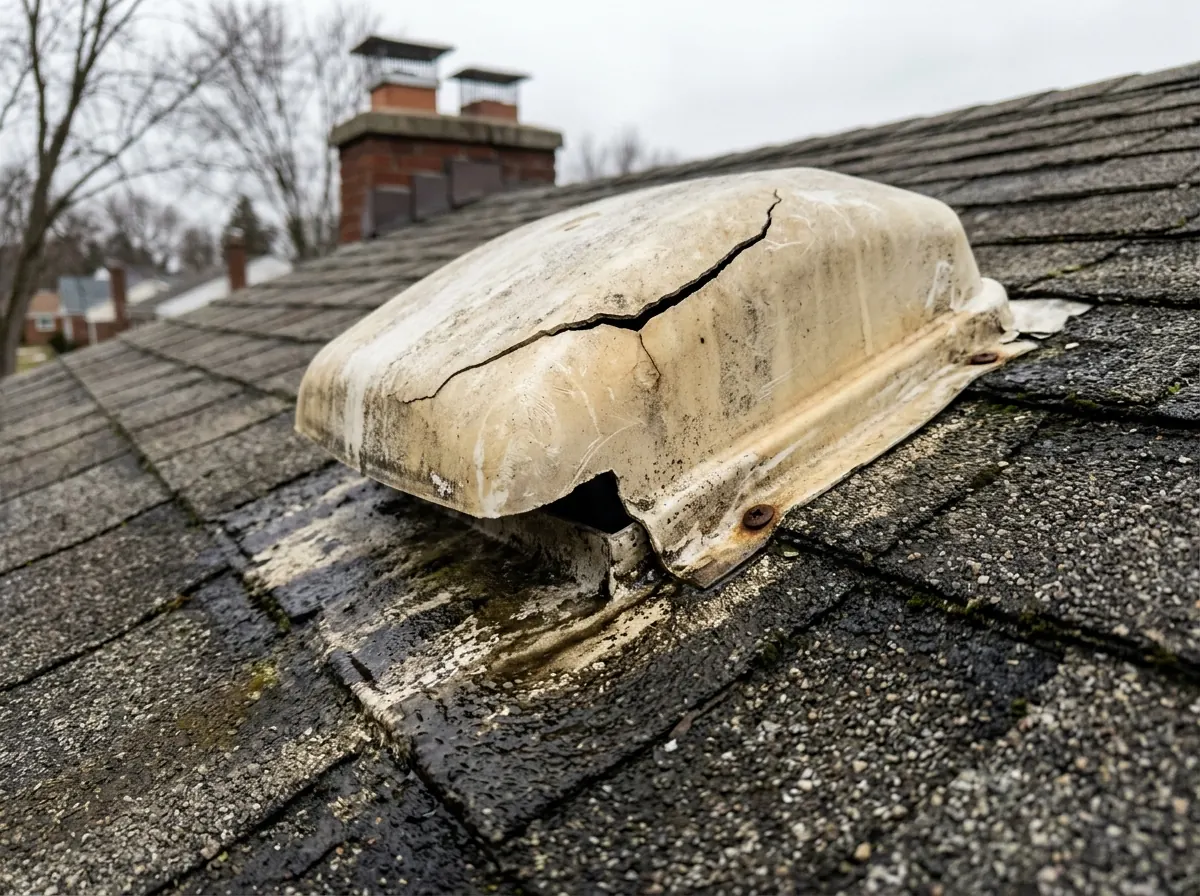
Plastic box vents and bathroom or kitchen exhaust hoods turn brittle after years of sun and cold, and hail can punch through them. A cracked hood lets rain run straight down the duct and onto the ceiling below. The repair is a new hood flashed into the roof, with the upper shingle courses lapped over its top flange and its bottom flange left over the shingles below. HomeGuide prices vent replacement at $200 to $700 and $75 to $150 for fixing a vent boot. If the bath fan duct turns out to end in the attic instead of at the hood, have it reconnected at the same visit. Warm, damp air dumped into a cold attic ends up as frost on the underside of the deck.
Why Sterling Heights homeowners call Sterling Heights Expert Roofing
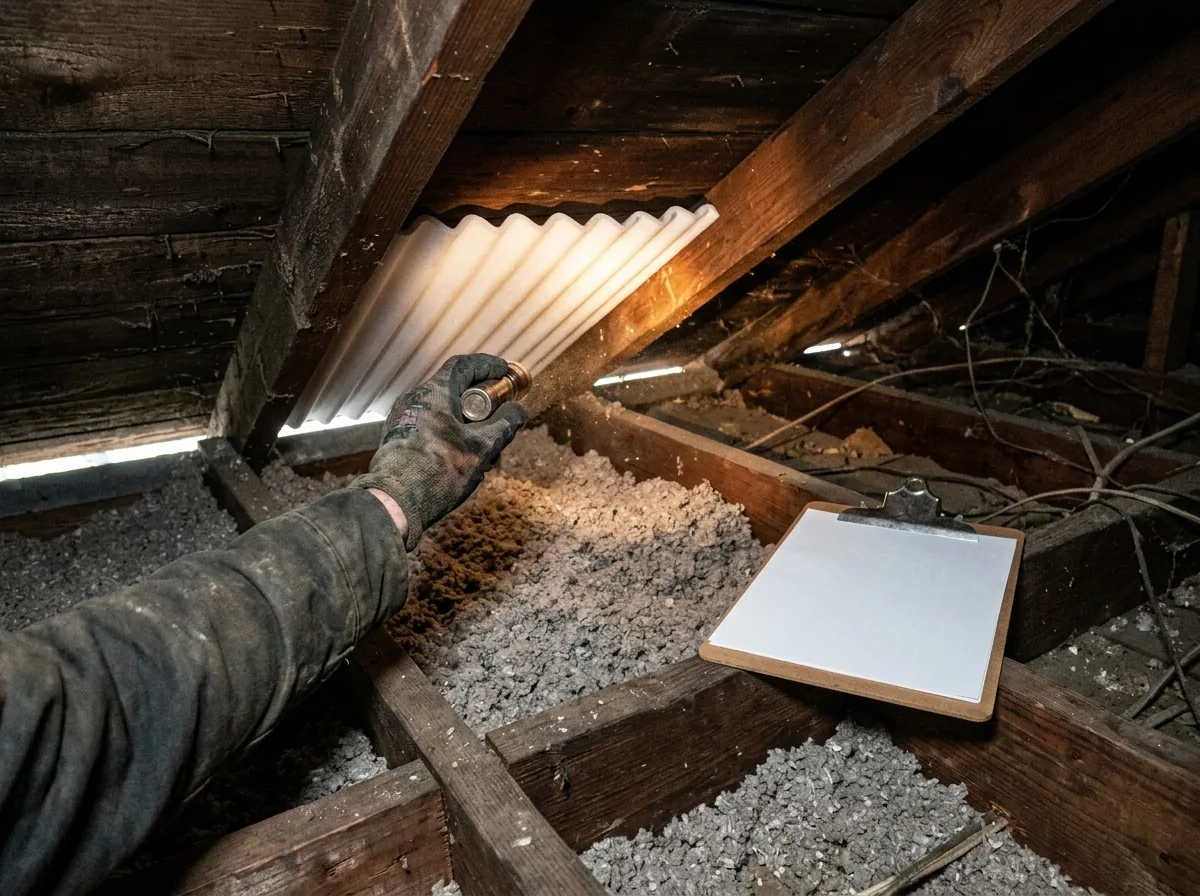
- Free roof and attic inspection
- Itemized written estimate before any work
- Your request goes to one local roofer, not a call list
- Requests from inside Sterling Heights city limits
- Nothing to pay for the referral
Roof Repair or a New Roof: Where the Line Falls
HomeGuide's rule of thumb has three parts: repair when less than 25 percent of the roof is damaged, when the repair costs less than 30 percent of a new roof, and when the roof is under 20 years old. The test leaves out a few things that only show up on the roof itself:
Layer count
A roof that already has two layers can only be replaced by a full tear-off under the city's permit and layer rules. Patching it only puts that off.Brittle shingles
Shingles that crack when the course above is lifted can't take a clean repair, because every new shingle means lifting the old ones.Leaks that move
A new leak in a new spot every spring points to a worn-out roof, not one failed part.
Our view: on a roof under about 15 years old with one clear failure, repair it. On a roof near 20 with brittle tabs, get the repair price and the replacement price from the same inspection and put them side by side.
Roof Repair Prices for Small and Mid-Size Fixes
HomeGuide sorts repairs into three bands. Minor work, such as a few shingles, resealing or a vent boot, runs $150 to $1,000. Moderate work, such as larger shingle sections, soffit and fascia or some decking, runs $1,000 to $3,000. Major repairs that involve structural or water damage run $3,000 to $6,000 or more. Most roofers charge a minimum call-out of $150 to $300, which means one nail pop costs about the same as several small fixes.
A repair price climbs with pitch and height (a steep second-story slope needs more safety setup), with shingles that are hard to match or discontinued, and with wet decking found once the shingles are lifted. Water-stained drywall and wet insulation inside the house are separate work. Ask the roofer to say in writing what the repair price covers and what it doesn't.
Roof Repair Contractors in Michigan: License and Paperwork
Michigan requires a state license from LARA for any contractor who offers work totaling $600 or more in labor and materials. Plenty of small repairs come in under that. A repair that grows into new decking or a re-shingled section can pass it quickly, and the rule follows the price, not what the job is called. LARA's Maintenance & Alteration license lists the trades its holder qualifies in, and roofing is one of them. Contractors and their salespeople must carry a pocket card you can ask to see, and the license can be looked up online in LARA's database.
LARA's other advice applies to a repair as much as to a new roof. Don't pay for the whole job up front. Get the total price, the payment terms, the materials and the timing in writing. A contract that was solicited and signed in your home can be cancelled within three days. After storms, the state's insurance regulator also warns that fake contractors go door to door; the claim steps and that warning sit on the storm damage roof repair page.