
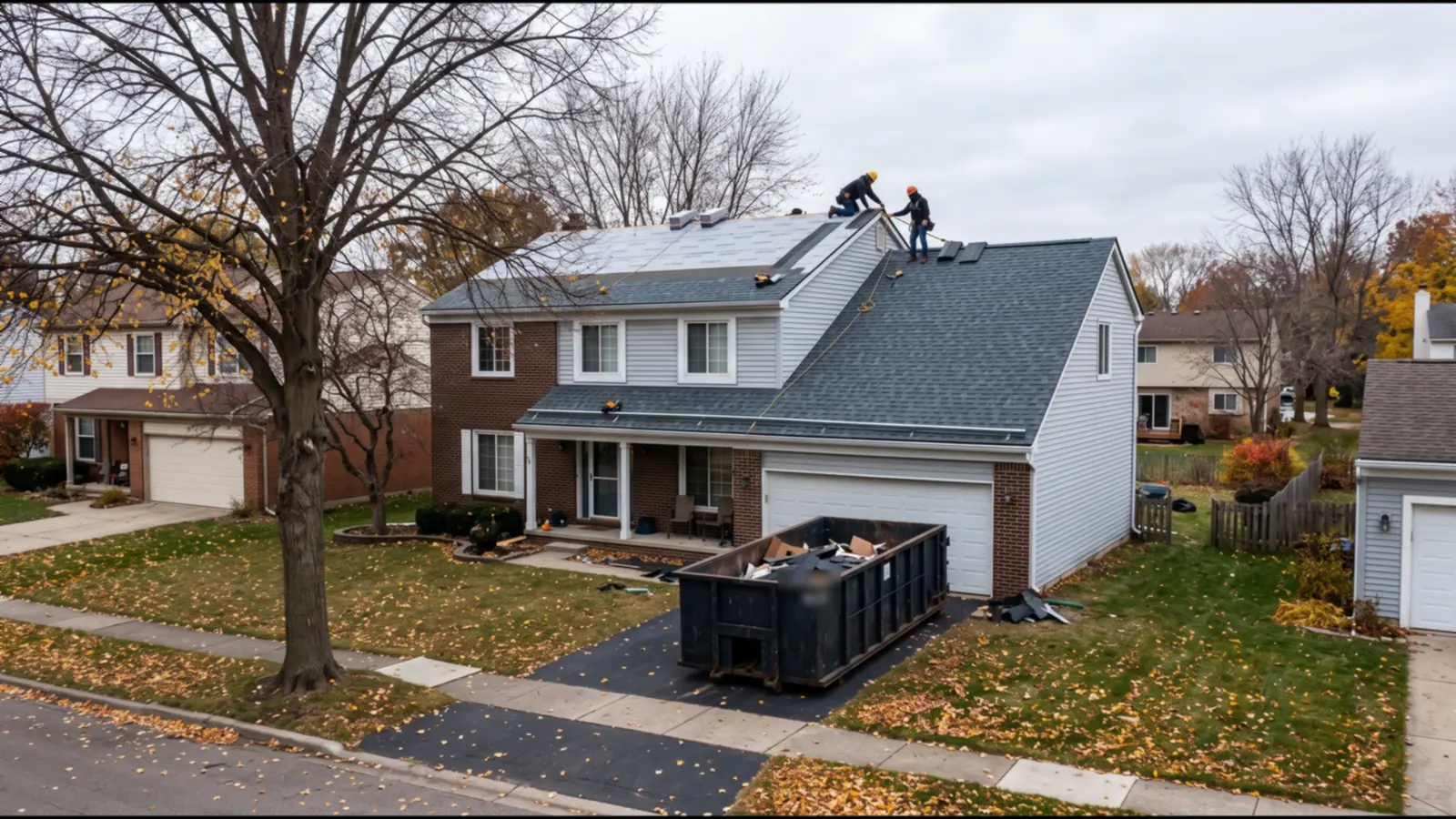
Cedar Shake Roofing Choices for Sterling Heights Houses
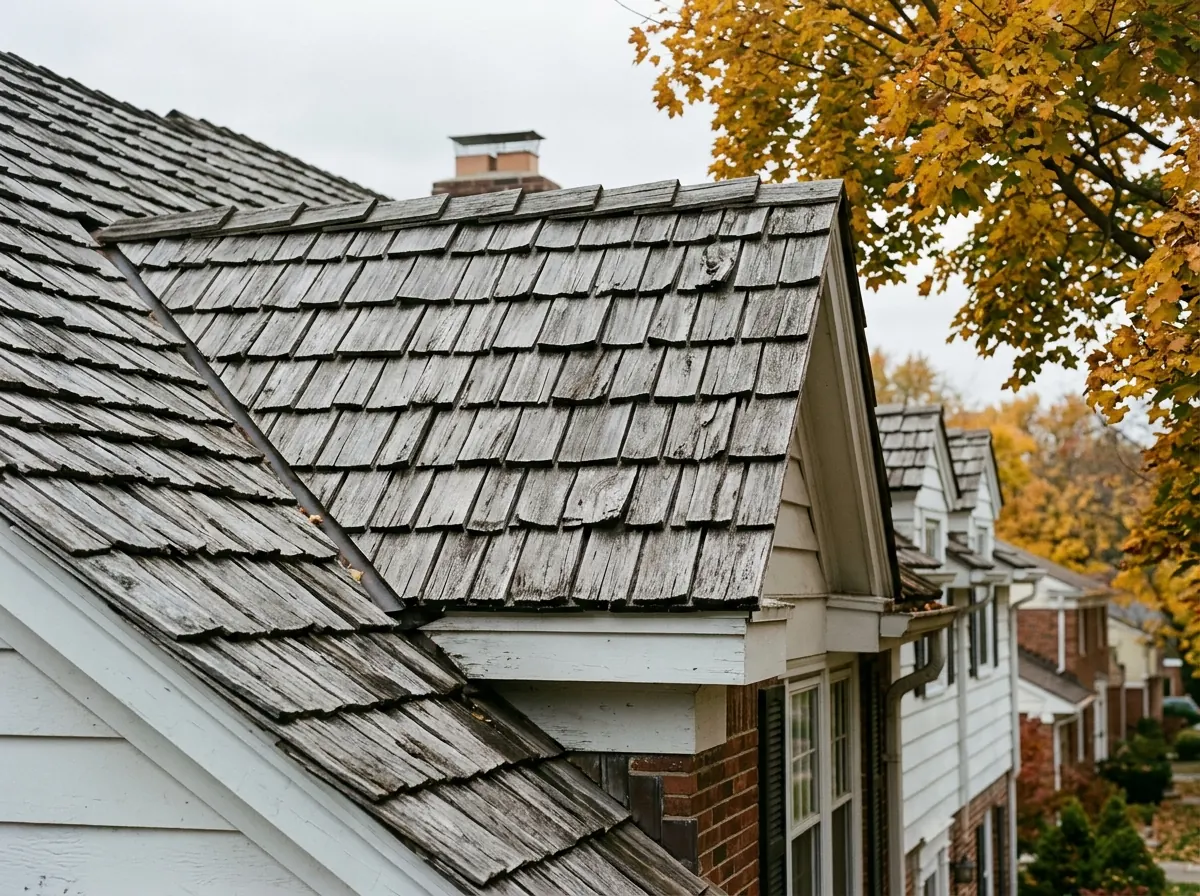
Hand-Split and Resawn Shakes
A hand-split and resawn shake is split from a cedar block on the face and sawn on the back, so the top shows the rough grain and the bottom lies flat. CSSB makes them in 18- and 24-inch lengths, in medium (1/2 inch) and heavy (3/4 inch) butts. The International Residential Code caps exposure at 7 1/2 inches for 18-inch No. 1 shakes and 10 inches for 24-inch, and requires 18-inch strips of No. 30 felt interlaid between courses, with 3/8 to 5/8 inch between shakes. CSSB describes the thicker split shake as the most durable option for heavy weather, and it's the look most people mean when they say "shake roof."
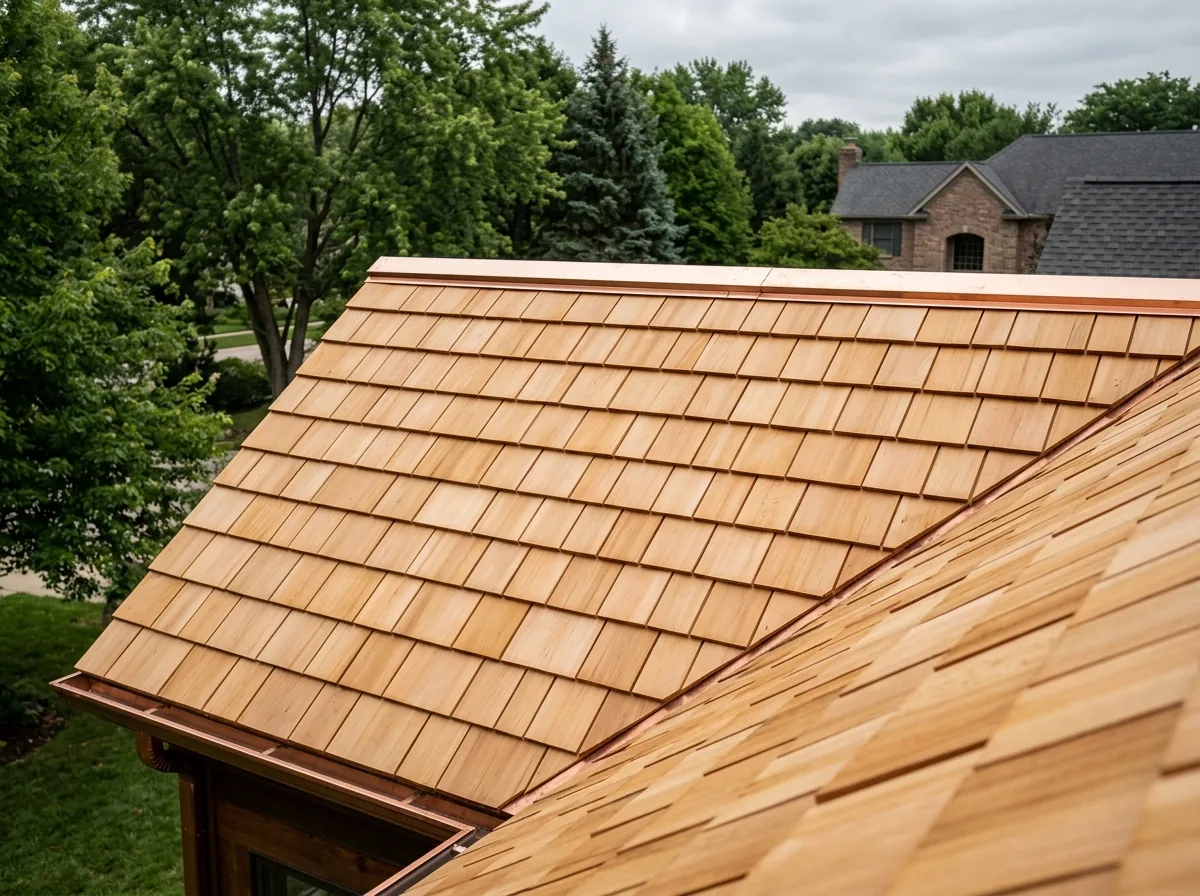
Tapersawn Shakes and Sawn Shingles
Tapersawn shakes are sawn on both faces but cut thicker than a shingle, and they're laid like shakes, with felt interlay. Sawn cedar shingles are thinner, sawn on both faces with a uniform taper, in 16-, 18- and 24-inch lengths. They're spaced 1/4 to 3/8 inch apart and don't need interlay. CSSB says shakes bring rustic depth, while shingles give a tailored look that suits Colonial and Cape Cod houses. In CSSB grading, No. 1 shingles and premium shakes are 100 percent edge grain, clear and free of defects. Common grades cost less and show knots and sapwood streaks.
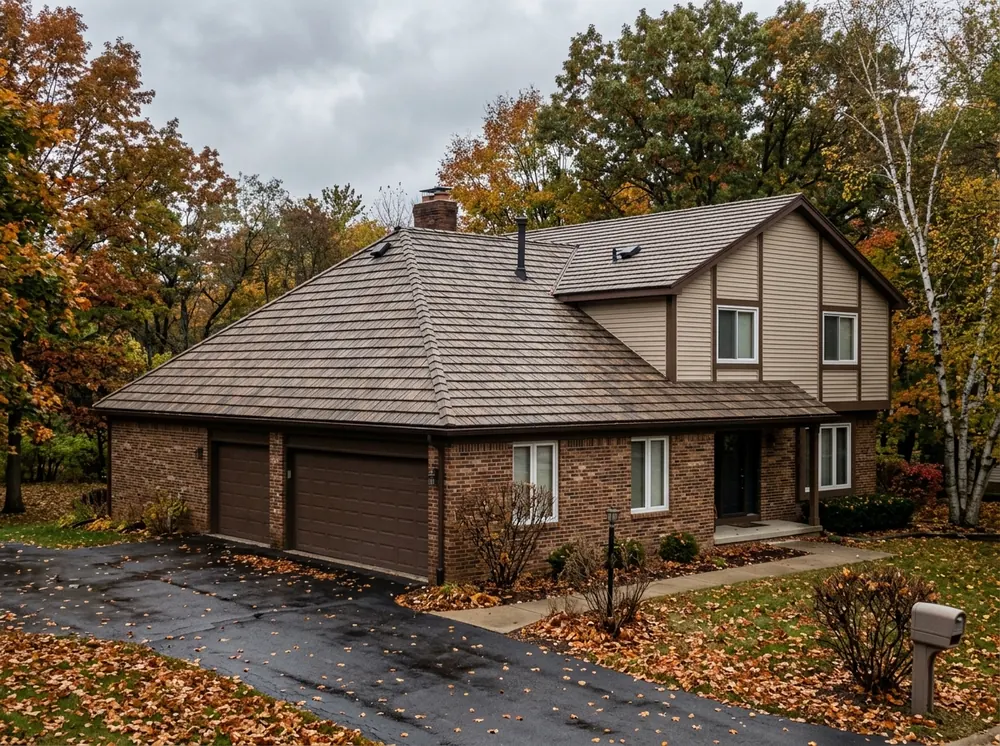
Composite Shake Look-Alikes
Synthetic shakes are molded from composite materials or recycled plastics to copy the shape and grain of split cedar. HomeGuide prices them at $12 to $20 per square foot installed, against $25 to $30 for real cedar, and notes better fire resistance and less maintenance. Real cedar, by contrast, weathers to a silvery gray unless it's stained or treated. On a house where the cedar roof has become a maintenance chore, they're worth a look next to standing seam metal or architectural shingles.
Replacing Split and Cupped Shakes
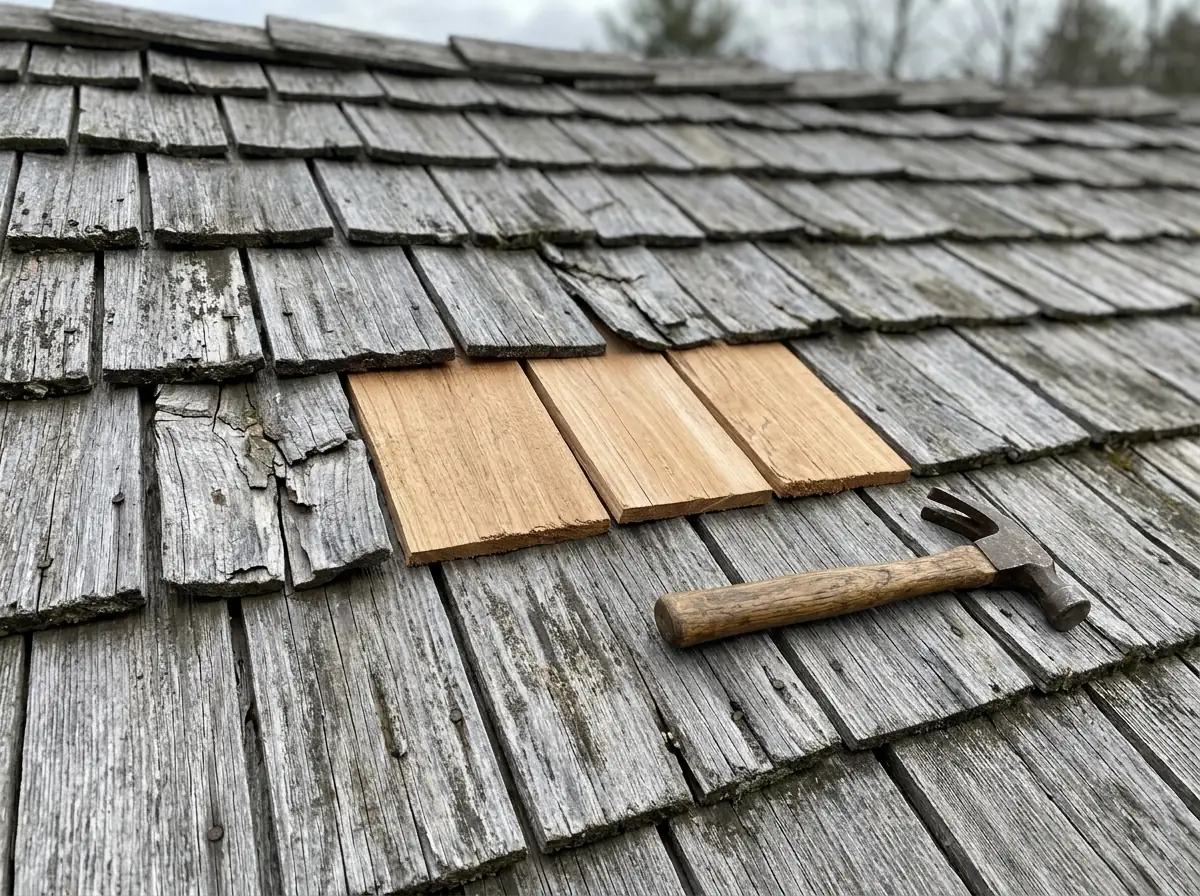
A split shake lets water through to the felt below, and a cupped one curls up and catches wind and debris. Individual shakes can be cut out and replaced, the new ones nailed with two stainless or hot-dipped fasteners each and fitted to the gaps around them. The new wood looks tan beside the gray until it weathers. Valleys on a shake roof get No. 26 gage metal at least 11 inches each way from the center, so check them during any repair. The Forest Products Laboratory's guide warns that stepping on the butt end of a shake cracks it. Anyone working on the roof should step on the upper part of each course.
Cleaning and Preservative Treatment
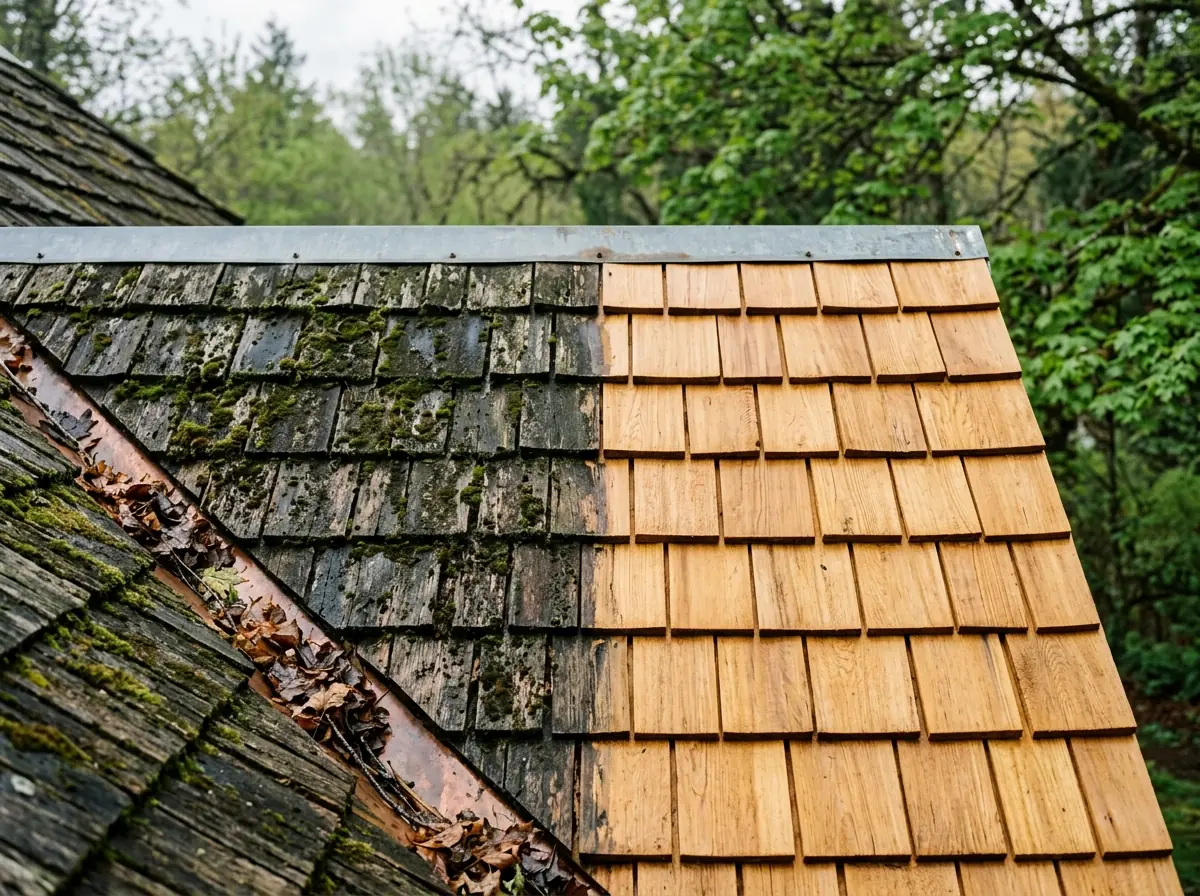
The Forest Products Laboratory guide is blunt about cleaning: keep debris and overhanging branches off the roof, and treat algae and mildew with a dilute bleach solution rather than a pressure washer. In the wrong hands, power washing strips wood fiber off the shakes and takes years off the roof. Zinc or copper strips at the ridge help hold back moss, algae and mold for a short distance down the slope. HomeGuide suggests reapplying preservative every 3 to 5 years at $500 to $1,500 a treatment. For new roofs, CSSB offers factory pressure-treated Certi-Last shakes for added durability and Certi-Guard fire-retardant shakes for fire-rated assemblies.
Why Sterling Heights homeowners call Sterling Heights Expert Roofing
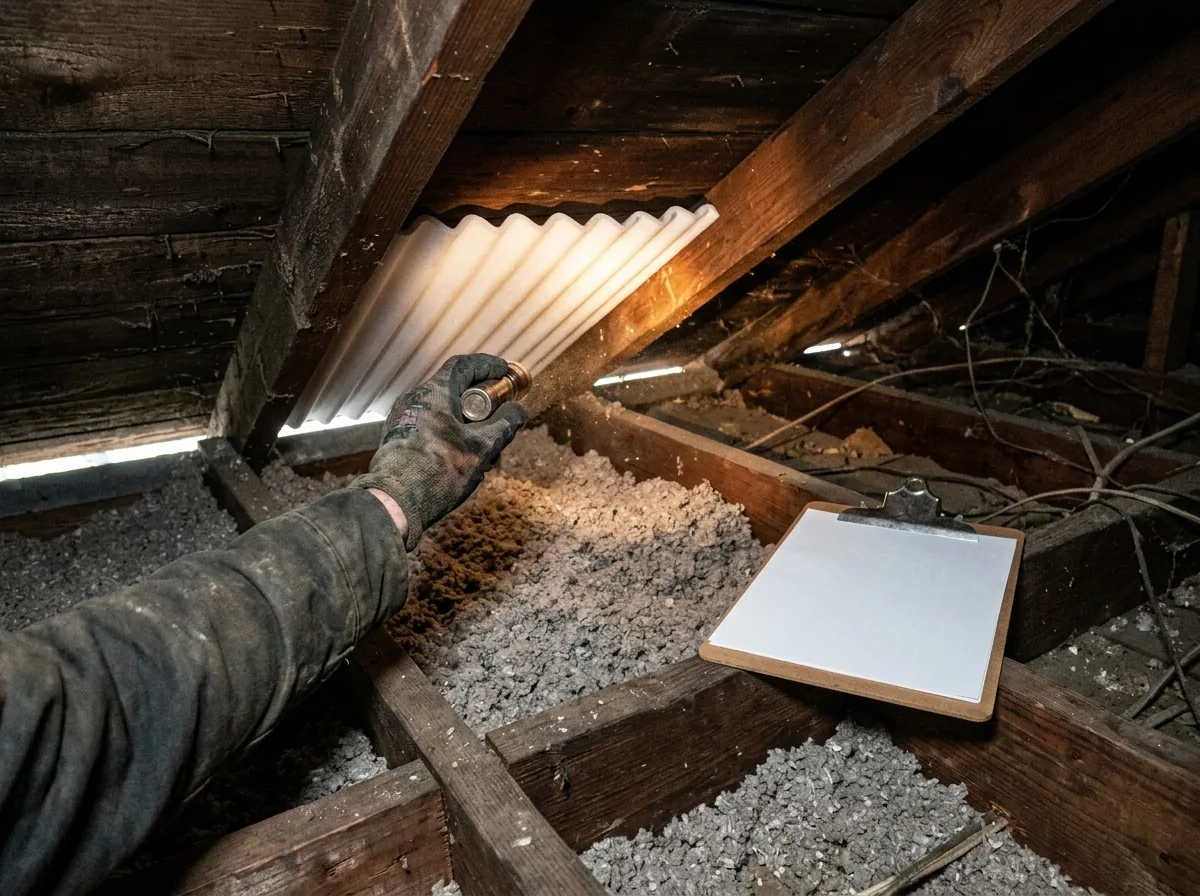
- Free roof and attic inspection
- Itemized written estimate before any work
- Your request goes to one local roofer, not a call list
- Requests from inside Sterling Heights city limits
- Nothing to pay for the referral
Cedar Shake Roofing Prices: What Moves the Estimate
HomeGuide's national figures, estimates and not quotes:
| Option | Installed, per sq ft |
|---|---|
| Synthetic (composite) shake | $12 to $20 |
| Real cedar, common grade | $20 to $25 |
| Real cedar, select grade | $25 to $30 |
| Real cedar, 100% straight grain | $30 to $35 |
Shakes typically cost $2 to $5 more per square foot than sawn shingles. On top of the base price, every chimney, skylight, vent or pipe adds $150 to $500 for custom cutting and flashing. Tear-off of the old roof and replacement decking are priced separately, and decking is covered on the roof deck replacement page. If the house has a second layer, the city's permit and layer rules set what has to come off.
Cedar Shake Roofing in a Macomb County Winter
Cedar fails from moisture that can't dry out. Under mature maples and oaks, leaves pack into valleys and behind chimneys every fall, and they sit wet under snow until spring. CSSB lists trapped debris and poor attic ventilation among the most common causes of early failure, because ventilation controls how fast the wood dries after rain and snowmelt. That makes a fall cleanout and clear soffit vents part of owning a shake roof here, not an extra.
Freeze-thaw winters also bring ice dams at the eaves, and a shake roof needs the same eave ice barrier as any other; the ice dam removal page explains how far up it runs. If you rake snow off a cedar roof, work from the ground and keep the rake off the wood itself.
Cedar Shake Roofing: Repair or Replace
The Forest Products Laboratory says properly installed and maintained shakes and shingles should last more than 30 years, and HomeGuide gives 30 to 50. CSSB's line for replacement is clear: when curling, cupping or splitting is widespread across several roof planes, shakes have lost real thickness to weathering, leaks keep coming back after local repairs, or rot has started at the flashings, ridges or eaves. Short of that, replacing damaged shakes, cleaning and treating is the cheaper path.
If you do replace, there's one more option. The IRC allows metal panels and metal shingles to go over an existing wood shake roof, provided the whole surface is first covered with gypsum board, mineral fiber, glass fiber or another approved material to close off the combustible space. Ask the roofer to price that against a full tear-off.